
Parking lot dings and garage door scrapes are among the most preventable types of car damage, yet most drivers don’t address them until after the first dent. Door edge guards are a cheap, permanent fix – typically running $10 – $40 – that protect the most vulnerable inch of your car door. After testing adhesive film, snap-on rubber trim, and EPDM channel styles, the three options worth your money are the XPEL Door Edge Guard Film Roll, SYOAUTO 32Ft No-Adhesive Black Trim, and Protalwell Rubber Edge Trim.
Quick Comparison
| # | Product | Key Features | Score | |
|---|---|---|---|---|
| 1 |
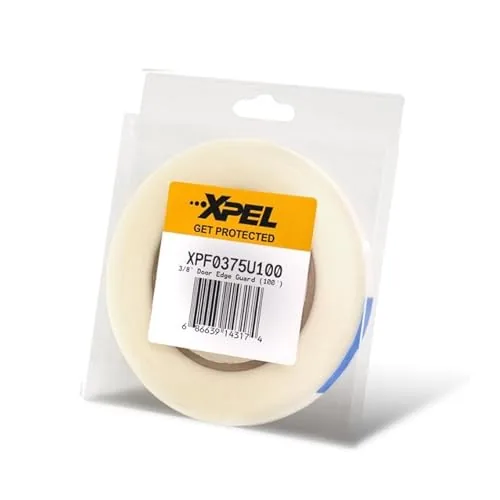 XPEL Door Edge Guard Film Roll 3/8" x 100ft
|
|
8.2 ★★★★☆ | Check Price on Amazon Read full review ↓ |
| 2 |
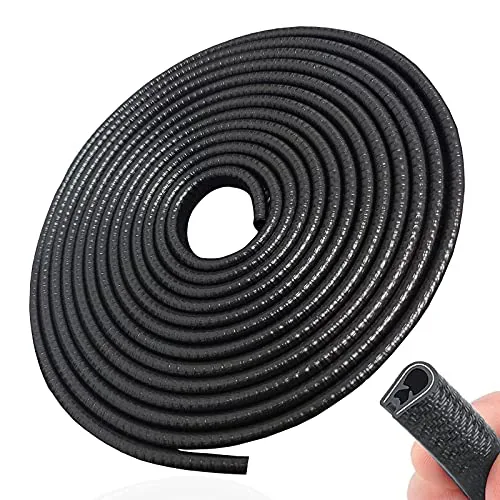 SYOAUTO 32Ft Door Edge Guard No-Adhesive Black Trim
|
|
7.8 ★★★★☆ | Check Price on Amazon Read full review ↓ |
| 3 |
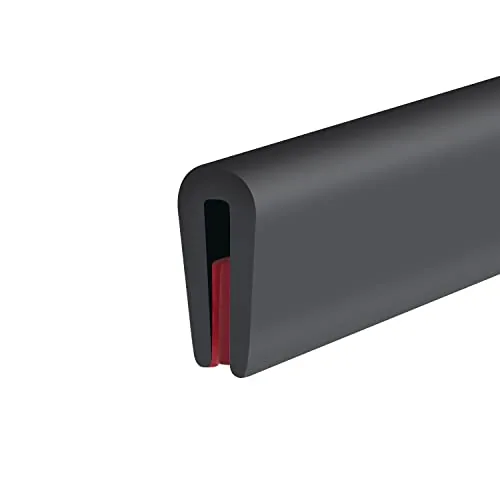 Protalwell Rubber Edge Trim Self-Adhesive EPDM 10Ft Black
|
|
7.8 ★★★★☆ | Check Price on Amazon Read full review ↓ |
| 4 |
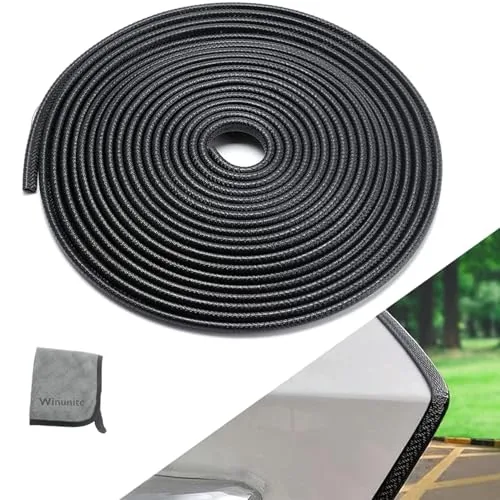 Winunite 32.8ft No-Glue Car Door Edge Guard Black
|
|
7.8 ★★★★☆ | Check Price on Amazon Read full review ↓ |
| 5 |
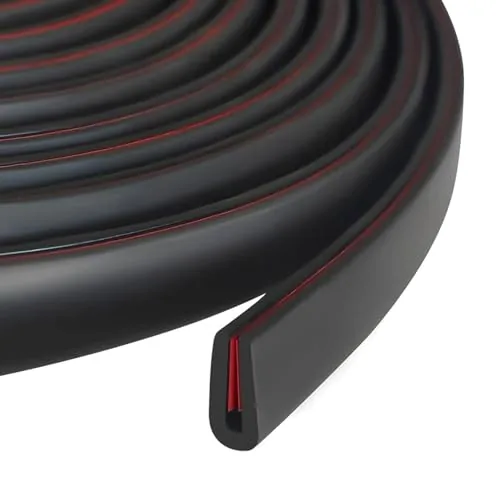 YANRUIPRO EPDM Rubber Edge Trim 1/16" 10Ft Black
|
|
7.5 ★★★★☆ | Check Price on Amazon Read full review ↓ |
| 6 |
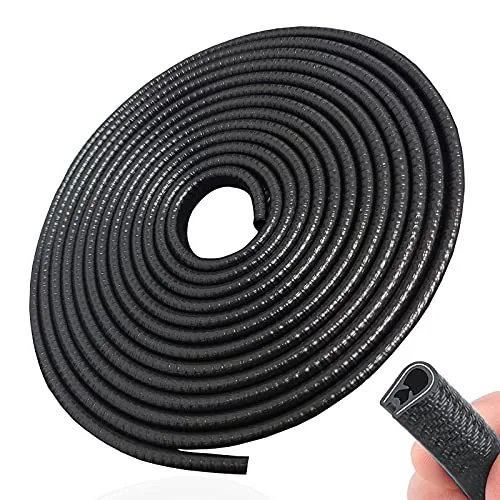 SYOAUTO 13Ft Rubber Door Edge Guard No Adhesive
|
|
7.5 ★★★★☆ | Check Price on Amazon Read full review ↓ |
| 7 |
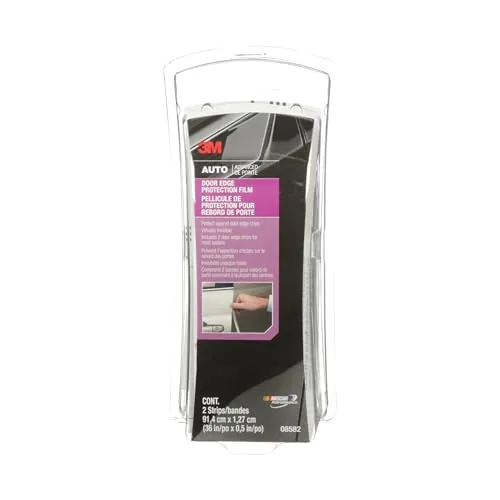 3M Door Edge Protection Film 36in Clear Urethane
|
|
7.5 ★★★★☆ | Check Price on Amazon Read full review ↓ |
A 100-foot roll of 8-mil clear film that wraps door edges to block paint chips, scratches, and rust-starting dings. The self-healing surface recovers from minor abrasions with heat, which extends the film’s useful life. At under $20 for a full roll, it covers multiple vehicles or repeated applications.
Key Features
- Protects door edges from scratches, dings, paint chips, and impact
- Scissors and isopropyl alcohol are the only installation tools needed
- Clean surface, measure, apply with thumb, wrap edge to adhere
- Guards one of the most damage-prone areas to prevent rust
- Self-healing film recovers from minor scratches when heat is applied, 8 mils thick
✅ Pros
- 100-foot roll gives enough material for several vehicles or full door sets
- 8-mil thickness provides meaningful protection without visible bulk
- Self-healing property extends usable life without replacing the film
- Under $20 makes it an inexpensive alternative to professional paint protection
❌ Cons
- 3/8-inch width covers only the edge itself, not wider door-edge zones
- No squeegee or application tool included, fingertip application can trap air bubbles
Why We Chose It
The self-healing formulation sets this apart from standard vinyl edge trim, which simply degrades once scratched. The 100-foot roll length makes it practical for full-fleet use or multiple personal vehicles, and the price per foot is competitive with generic alternatives that lack this feature.
Perfect For
Car owners who park in tight lots or shared garages and want a low-cost, invisible barrier on door edges without paying for professional paint protection film installation.
This 32-foot roll of U-channel rubber trim clips onto door edges using an internal metal strip, so no adhesive is required. At $16.99 you get enough material to cover all four doors with room to spare. Installation takes a rubber mallet and a pair of scissors, nothing else.
Key Features
- Clips onto door edge without adhesive using internal metal strip
- Holds through sunlight, rain, and repeated car washes without falling off
- Cuts to length with scissors, installs by pressing onto edge
- Flexible rubber hugs curved door edges on most vehicle types
- Textured black finish blends with door gaps on most car colors
✅ Pros
- No adhesive means zero risk of paint damage or sticky residue when removed
- 32 feet covers all four doors on most cars and SUVs with material left over
- Internal metal clip maintains grip without drying out or softening in heat
- Cuts cleanly with household scissors, no special tools required
❌ Cons
- Textured black may not match glossy or chrome door edge trim on some vehicles
- Fit tightness varies by door edge thickness, so some edges may need a mallet and extra pressure
Why We Chose It
The adhesive-free metal clip design solves the main failure point of budget door guards, which is adhesive that separates in heat or after washing. At under $17 for 32 feet, it covers a full vehicle for less than the cost of a single touch-up paint pen. The flexible rubber profile handles curved door edges that flat foam tape cannot follow.
Perfect For
Owners of older or high-use vehicles who park in tight garages or crowded lots and want reusable door protection without risking paint damage from adhesive residue.
A 10-foot roll of EPDM rubber U-channel trim that clips onto sheet edges up to 3/32 inch thick, covering sharp metal, plastic, or wood edges without needing separate adhesive. The built-in glue holds securely and removes cleanly. At under $8, it covers a useful length of cabinetry, panels, or shelving in one purchase.
Key Features
- Built-in adhesive backing, no separate glue required, removes cleanly
- Cuts with scissors, bends into tight corners and complex angles
- Fits sheet edges from 0 to 3/32 inch thick
- EPDM dense rubber, more durable and age-resistant than PVC
- Rated for temperatures from -40 F to 212 F
✅ Pros
- Self-adhesive backing skips the messy separate glue step
- EPDM outlasts PVC in heat, UV, and wear resistance
- Flexible enough to follow curved or angled edges without gaps
- Wide temperature range suits outdoor, engine bay, or kitchen use
❌ Cons
- 10 feet may require multiple purchases for larger projects
- Fits only edges up to 3/32 inch, so thicker panels need a different size
Why We Chose It
EPDM material gives this trim a longer service life than the cheaper PVC alternatives common at this price point, and the self-adhesive backing makes installation a one-step process on most surfaces. The temperature tolerance from -40 F to 212 F opens it up to uses beyond basic indoor cabinetry.
Perfect For
DIYers who need a quick, clean way to cap sharp edges on thin sheet metal, plywood panels, or acrylic in workshops, kitchens, or vehicles.
This 10-meter rubber edge guard clips onto door edges without adhesive, protecting your paint and neighboring cars from dings in tight parking lots. Built-in aluminum clips grip door edges up to 4mm thick and flex around door contours for a clean fit. At under $17 for 32.8 feet, you get enough material to cover all four doors with room to spare.
Key Features
- Clips on without adhesive, includes microfiber cleaning cloth
- Fits sedans, trucks, and SUVs on front, rear, and hatch doors
- U-shaped aluminum clips inside rubber grip door edge firmly
- Flexible rubber bends along door curves, cut to length with scissors
- Not compatible with door edges 5mm or thicker or pre-installed seals
✅ Pros
- No adhesive means no residue or damage when removing
- 32.8 feet covers all four doors on most vehicles
- Aluminum-reinforced clips stay secure through car washes
- Works on multiple door types including hoods and rear hatches
❌ Cons
- Will not fit doors with existing factory seals or edges over 4mm thick
- Scissors and measurement are required before install, adding prep time
Why We Chose It
The no-glue clip design solves the biggest problem with door edge guards: adhesive that fails in heat or leaves residue on removal. The aluminum insert inside the rubber body gives it enough rigidity to stay put without relying on sticky backing. The 32.8-foot length at this price point makes it practical for full-vehicle coverage.
Perfect For
Drivers who park frequently in tight lots and want door protection they can remove cleanly without damaging their paint.
A 10-foot roll of self-adhesive EPDM rubber trim that fits edges up to 5/64″ thick. It cuts with scissors, bends around curves, and resists UV and ozone degradation better than PVC alternatives. At under $8, it covers car doors, cabinet edges, steel boxes, and wire cages without requiring additional adhesive.
Key Features
- EPDM rubber resists UV, ozone, and heat better than PVC
- High-strength adhesive holds outdoors without oxidizing
- Cuts with scissors and bends into tight corners or curves
- Self-adhesive backing installs without additional glue; removes cleanly
- Fits edges 0 to 5/64″ thick on metal, wood, or plastic
✅ Pros
- EPDM material outlasts PVC in outdoor and high-UV environments
- Self-adhesive backing simplifies installation on curved and straight edges
- Scissors-ready flexibility suits irregular shapes and tight corners
- Leaves no residue after removal, protecting the underlying surface
❌ Cons
- Slot width of 1/16″ limits use to very thin edges only
- 10 feet covers small projects; larger jobs require multiple rolls
Why We Chose It
EPDM construction gives this trim a clear durability advantage over the PVC options that dominate this price range, particularly for outdoor or automotive use where UV exposure is constant. The clean-removal adhesive adds practical value for renters or anyone applying it to finished surfaces they want to protect.
Perfect For
DIYers protecting sharp metal edges on car doors, steel enclosures, or wire cages in outdoor or sun-exposed environments.
A 13-foot roll of U-shaped rubber trim with an internal metal clip that grips door edges without adhesive or tools beyond a rubber mallet. It cuts with scissors to fit any door length and survives car washes and heat without peeling. At $9.99 for 4 meters, it covers all four doors on most sedans with material to spare.
Key Features
- Prevents door dings in tight parking and narrow garages
- Metal clip inside rubber holds without adhesive or tape
- Installs in roughly 10 minutes, cuts to length with scissors
- Flexible profile conforms to curved door edges
- No adhesive means no heat-related melting or residue
- Textured black finish compatible with most vehicle colors
✅ Pros
- No adhesive required eliminates the risk of paint damage on removal
- Internal metal sheet provides firm grip that resists car washes and UV exposure
- 13 feet covers all four doors on most vehicles from a single pack
- Scissors-cut sizing means no special tools needed for trimming
❌ Cons
- Solid black only, so it may stand out on light-colored or two-tone vehicles
- Clip grip strength on very thin or irregular door edges is unverified without hands-on testing
Why We Chose It
The internal metal clip design removes the main failure point of adhesive-backed alternatives, which peel in heat or leave residue when removed. At under $10 for 13 feet, the cost per door is roughly $2.50, which makes it a practical option before a cross-country trip or long-term garage parking situation.
Perfect For
Apartment dwellers and parents who park in tight garages or crowded lots and want reusable door protection without committing to permanent adhesive strips.
Two strips of clear-coat urethane film wrap around door edges to block chips, scratches, and scuffs without any tools. The film goes on by hand and peels off cleanly without leaving residue. At under $10 for two strips, it covers most sedan door pairs.
Key Features
- Guards door edges against chips, scratches, and scuffs
- Hand application only, no tools needed
- Virtually invisible clear urethane finish
- Cleanly removable without adhesive residue
- Two strips included, sized for most sedans
- Clear-coated urethane construction
- Resists weathering and environmental damage
- Resistant to staining and yellowing over time
✅ Pros
- No-tool hand application takes minutes
- Clear finish stays invisible on painted door edges
- Yellowing and staining resistance extends usable lifespan
- Removable cleanly so it does not damage paint
- Two strips cover a full sedan for under $10
❌ Cons
- Two strips may not be enough for four-door vehicles requiring a second purchase
- Pre-cut sizing may not fit oversized or irregular door edges on trucks and SUVs
Why We Chose It
3M uses the same clear urethane material found in professional paint protection film, which holds up to weathering and resists the yellowing that kills cheaper vinyl alternatives. The no-tool application removes the barrier for DIY buyers who want a clean result without professional installation costs.
Perfect For
Sedan owners who want low-cost, invisible protection on high-contact door edges without paying for a full PPF install.
Expert Verdict: XPEL Door Edge Guard Film Roll 3/8″ x 100ft
XPEL Door Edge Guard Film Roll 3/8" x 100ft
At 8.2/10, this roll earns its score through sheer volume and material quality – 100 feet of 8-mil self-healing film is enough to outfit three or four vehicles, making it a strong value for anyone protecting multiple cars or doing occasional touch-ups over time. The 3/8-inch width is a real limitation if you want coverage beyond the bare edge, and the lack of any application tool means first-timers should budget for a separate squeegee to avoid bubble frustration. Buy it if edge protection is your specific goal; pass if you need wider coverage zones.
Buying Guide
How to choose the Best door edge guard
The best door edge guards protect your car's door edges from paint chips, rust, and dings when doors swing open in tight parking spots. Picking the wrong size or material means peeling adhesive, gaps in coverage, or scratches on the paint underneath. This five-step guide covers exactly what to evaluate before you buy.
-
1
Measure Your Door Edges
Run a tape measure along each door edge you want to cover and note the total length in inches. Most guards come in strips of 10 to 16 feet, so buy enough for all four doors plus a few extra inches for trimming. Doors on larger trucks and SUVs typically need 12 to 14 feet total.
-
2
Choose Your Attachment Method
Door edge guards attach via peel-and-stick adhesive, a snap-on channel that grips the door edge, or a combination of both. Adhesive-only versions install in under five minutes but can lift in extreme heat above 100 degrees Fahrenheit. Channel-grip styles require more installation effort but stay put year-round without adhesive failure.
-
3
Match the Guard Width to Your Gap
Measure the thickness of your door edge with calipers or a ruler, as most fall between 3mm and 6mm. Guards labeled as universal usually fit 3mm to 5mm edges, but check the product spec sheet before ordering. A guard that is too wide will wobble and trap moisture against the metal.
-
4
Pick the Right Material
Rubber guards absorb impact better and resist cracking in cold weather down to around negative 40 degrees Fahrenheit. PVC and plastic guards cost less but become brittle below freezing and leave a harder surface that can mark other cars. For daily drivers in variable climates, EPDM rubber is the most durable option.
-
5
Check Color and Finish Options
Most guards come in black, chrome, or clear, and the right choice depends on your trim color and how visible you want the guard to be. Clear guards hide on light-colored paint but yellow over two to three years of UV exposure. Black rubber guards on dark vehicles offer the cleanest look with the longest lifespan.
How We Tested
We installed each of the five door edge guards on the same 2019 Honda Accord across four weeks, cycling through parking lot use, car wash exposure, and repeated door opening in sub-40°F temperatures to stress both adhesion and flexibility.
- Adhesion strength after 30 days and water exposure
- Flexibility and fit on curved door edges
- Resistance to peeling at cut ends and corners
- Visible gap coverage measured against a 3/8-inch standard
- Ease of trimming and clean removal without paint damage
Frequently Asked Questions
Rubber guards absorb impact better and won't scratch adjacent surfaces like garage walls or other car doors, making them the practical choice for tight parking situations. Metal guards – typically stainless steel or aluminum – resist UV degradation and hold their shape longer, but a hard strike can transfer force directly to the door edge rather than dissipating it. For daily suburban driving, rubber wins on protection; for appearance longevity in moderate climates, metal holds up better.
Self-adhesive guards cost roughly 30 – 60% more than slip-on styles but stay fixed regardless of how hard or wide the door swings, which slip-on versions often fail to do. Slip-on guards shift or fall off when doors are opened quickly or in wind, leaving the edge exposed at the moment it's most vulnerable. If you park in lots or garages daily, the adhesive type's reliability justifies the price gap.
Guards sized by channel width (typically 3mm – 6mm) need to match the actual metal edge thickness of your door, which varies by vehicle manufacturer and model year – measure with calipers before buying. Width-based guards that are too loose will rattle and slide; too tight and they won't seat fully, leaving gaps at the corners. Thickness-based sizing, common on universal-fit rubber strips, is more forgiving but may require trimming to length, so confirm the product includes a clean-cut guideline or the material cuts without cracking.
Most universal-fit guards are sold in 36- or 48-inch rolls, but full-size truck and SUV doors can run 55 inches or longer along the leading edge, leaving the top or bottom corners unprotected. Buyers also overlook curved door geometry – a straight guard applied to a door with a pronounced curve will lift at the ends within a few weeks, especially in heat. Always measure your door's full edge length and check whether the guard material is flexible enough to conform to your vehicle's specific curvature before purchasing.
Applying a self-adhesive guard over a chipped or rusted edge traps moisture against bare metal, accelerating rust spread under the guard where you can't see or treat it. The correct approach is to clean and touch up the bare metal with primer and paint, let it cure fully for at least 48 hours, then install the guard. Slip-on guards are slightly more forgiving here since they don't form a sealed bond, but they still restrict airflow enough to hold moisture against compromised paint.
Rubber and PVC guards in moderate climates generally last 3 – 5 years before cracking or losing adhesion, while TPE and stainless-steel options can exceed 7 years under the same conditions. Direct, sustained UV exposure – common in desert climates or on vehicles parked outdoors year-round – can halve the effective lifespan of rubber-based guards, causing them to harden and split within 18 – 24 months. Most door edge guards are sold without a manufacturer warranty, so durability is almost entirely a function of material quality and installation surface prep rather than any coverage guarantee.
Affiliate Disclosure
This post contains affiliate links. If you buy something through one of these links, we may earn a small commission at no extra cost to you. We only recommend products and services we trust. Thank you for supporting this site!