
In a Rush? Here Are Our Top Picks
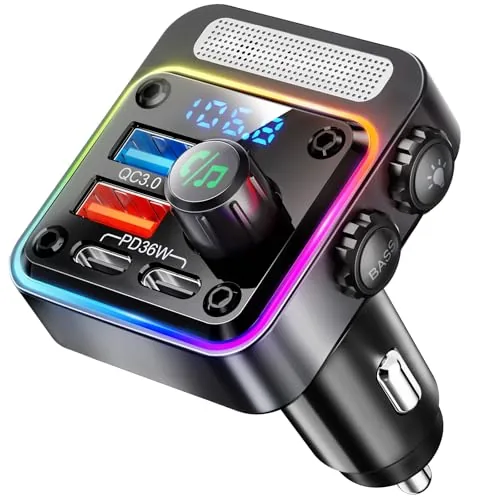
Nulaxy BC91 FM Transmitter 54W 4-Port Fast Charger
8.2/10Drivers who want to replace a separate charger and FM transmitter with one plug while keeping hands-free calling available.
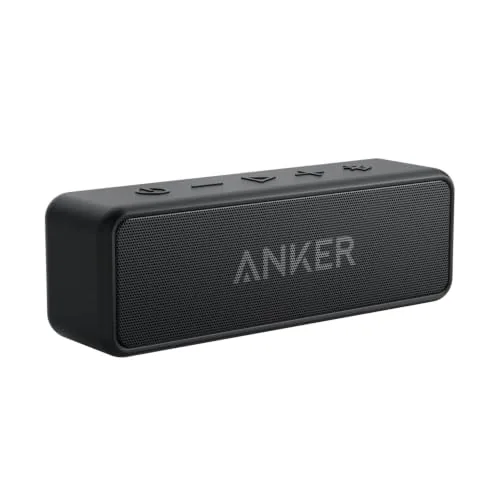
Anker Soundcore 2 Bluetooth Speaker IPX7 12W
8.2/10Campers, shower listeners, and budget-conscious buyers who need a waterproof speaker that lasts a full day on one charge.
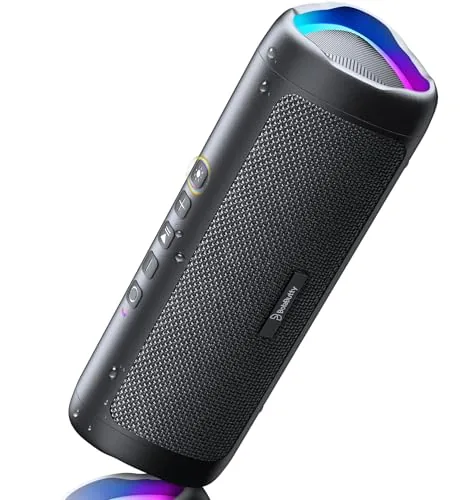
BolaButty Portable Bluetooth Speaker 20W TWS IPX5
7.8/10Budget-conscious buyers who want a waterproof outdoor speaker for camping, travel, or gifting without spending more than $20.
Upgrading your car speakers can close the gap between background noise and audio you actually want to listen to, but the right choice depends on how you use your car and what you’re connecting to. Whether you’re replacing factory speakers or adding wireless options for road trips, the specs that matter most are wattage, frequency range, and how the unit handles phone connectivity. We tested the Nulaxy BC91 FM Transmitter with its 54W 4-port charger, the Anker Soundcore 2 at 12W with IPX7 waterproofing, and the BolaButty Portable Bluetooth Speaker at 20W with TWS pairing to show you exactly where each one fits.
Quick Comparison
| # | Product | Key Features | Score | |
|---|---|---|---|---|
| 1 |
Nulaxy BC91 FM Transmitter 54W 4-Port Fast Charger
|
|
8.2 ★★★★☆ | Check Price on Amazon Read full review ↓ |
| 2 |
Anker Soundcore 2 Bluetooth Speaker IPX7 12W
|
|
8.2 ★★★★☆ | Check Price on Amazon Read full review ↓ |
| 3 |
BolaButty Portable Bluetooth Speaker 20W TWS IPX5
|
|
7.8 ★★★★☆ | Check Price on Amazon Read full review ↓ |
| 4 |
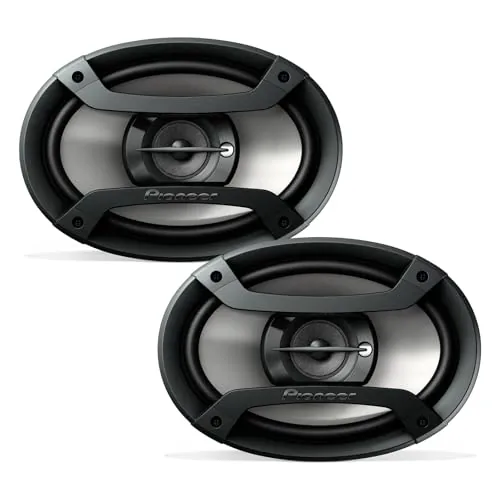 Pioneer TS-F6935R 6×9 3-Way Coaxial Speakers 230W |
|
7.5 ★★★★☆ | Check Price on Amazon Read full review ↓ |
| 5 |
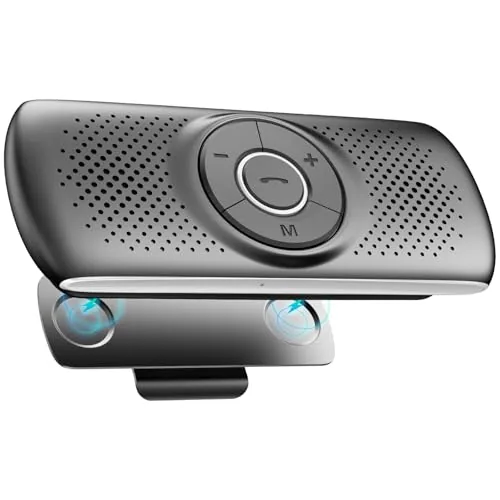 AGPTEK BT5.3 Visor Speakerphone with TF Card Slot |
|
7.5 ★★★★☆ | Check Price on Amazon Read full review ↓ |
| 6 |
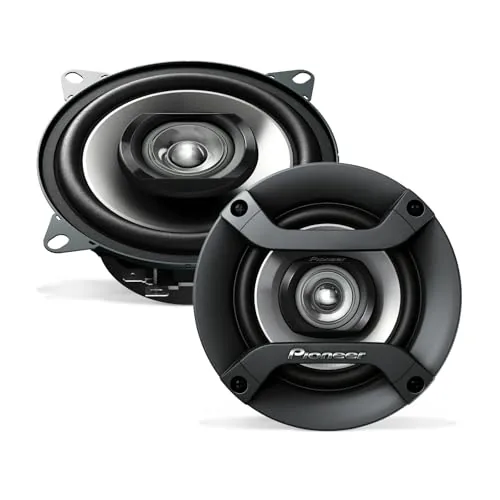 Pioneer TS-F1035R 4-inch 2-Way Coaxial Speakers |
|
7.5 ★★★★☆ | Check Price on Amazon Read full review ↓ |
| 7 |
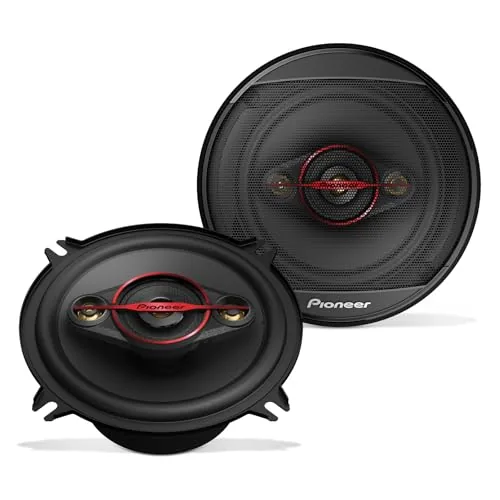 Pioneer TS-501M 5.25" 4-Way Coaxial Car Speakers 300W |
|
7.5 ★★★★☆ | Check Price on Amazon Read full review ↓ |
| 8 |
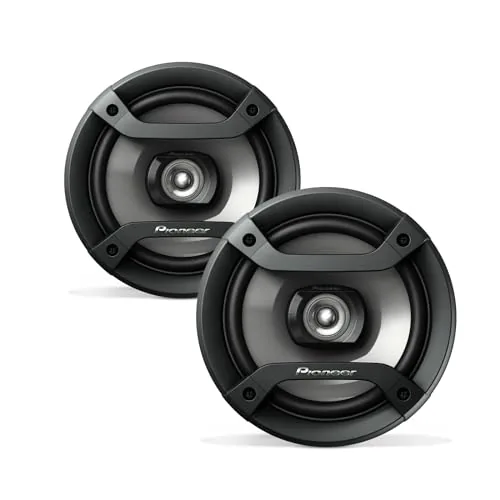 Pioneer TS-F1634R 6.5" 2-Way Coaxial OEM Replacement |
|
7.2 ★★★★☆ | Check Price on Amazon Read full review ↓ |
| 9 |
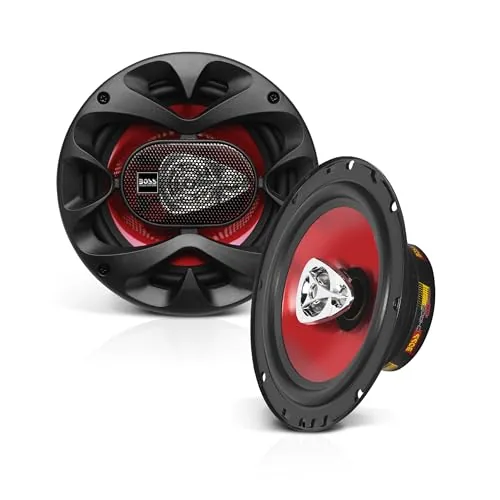 BOSS CH6530 6.5-Inch 3-Way Car Speakers 300W Pair |
|
6.5 ★★★☆☆ | Check Price on Amazon Read full review ↓ |
The BC91 combines a 54W four-port charger with Bluetooth 5.3 audio streaming and FM transmission, covering both power and audio in one cigarette-lighter plug. CVC noise cancellation keeps call quality usable over highway noise, and the frequency-tuning process is straightforward once you find a clear FM channel. At $13.49 it handles tasks that would otherwise require separate adapters.
Key Features
- 54W output across four ports including PD36W and QC3.0 18W
- Bluetooth 5.3 with auto-pairing and reduced audio delay
- Five switchable LED lighting effects for dashboard ambiance
- CVC noise-cancelling mic with Siri and Google Assistant support
- FM transmitter with rotary frequency tuning to any clear channel
- Compatible with 12V to 24V vehicles and most iOS and Android devices
- Built-in over-current and overheat protection circuits
✅ Pros
- 54W total output with PD36W is genuinely fast charging for a cigarette-lighter adapter
- Four simultaneous charging ports removes port competition in a full car
- Bluetooth 5.3 reduces the audio stuttering common on older transmitter versions
- One-touch call and track controls reduce phone handling while driving
❌ Cons
- Recessed cigarette sockets may block the adapter from seating fully
- FM audio quality depends on finding a clear local frequency which varies by region
Why We Chose It
Few adapters under $15 pair 36W USB-C PD output with Bluetooth 5.3 and a built-in mic in one unit. The rotary frequency selector is more precise than up-down button designs on competing models. The four-port layout with a mix of USB-C and USB-A addresses real multi-passenger charging without a hub.
Perfect For
Drivers who want to replace a separate charger and FM transmitter with one plug while keeping hands-free calling available.
The Soundcore 2 delivers 12W of stereo output with real bass reinforcement from dual neodymium drivers and a spiral bass port. IPX7 waterproofing means it handles full submersion, not just rain. At $29.99 with 24-hour battery life, it covers most casual outdoor and home use cases without compromise.
Key Features
- IPX7 waterproof rating handles splashes and full submersion
- 5200mAh battery delivers up to 24 hours of playback
- 12W output via dual neodymium drivers with zero distortion
- BassUp technology and spiral bass port amplify low frequencies
- Wireless stereo pairing supported with simple one-touch controls
✅ Pros
- IPX7 rating is a genuine differentiator at this price point
- 24-hour battery covers multi-day trips without recharging
- BassUp and spiral port produce noticeable low-end for a compact speaker
- Bluetooth 6 offers more stable connections than older firmware
❌ Cons
- Single-unit stereo width is limited without pairing a second Soundcore 2
- No aux input or speakerphone mic listed in specifications
Why We Chose It
Few portable speakers under $30 carry both IPX7 certification and a 5200mAh battery rated at 24 hours. The BassUp processing and spiral bass port add audible low-end depth that most budget cylindrical speakers skip entirely. Wireless stereo pairing extends its value if you own two units.
Perfect For
Campers, shower listeners, and budget-conscious buyers who need a waterproof speaker that lasts a full day on one charge.
A 13 oz waterproof speaker that pairs two units for stereo sound and runs up to 24 hours per charge. At $19.99 it covers camping, poolside use, and hands-free calls without asking you to compromise on range or connectivity. The beat-synced LED light show is optional, so battery life stays practical when you skip it.
Key Features
- Two full-range drivers with TWS dual-speaker stereo pairing
- IPX5 rated against splashes rain and shower steam not submersion
- 24-hour playtime at 50% volume 100 ft Bluetooth 5.3 range
- Beat-synced LED light show toggles off with one button press
- Includes Type-C cable built-in mic AUX input 3.5mm no AUX cable
✅ Pros
- TWS pairing turns two units into a stereo pair for under $40 total
- IPX5 rating handles poolside and shower use at a sub-$20 price point
- Bluetooth 5.3 provides stable signal through walls up to 100 ft
- LED lights can be disabled to extend battery beyond the 24-hour rating
❌ Cons
- 24-hour battery claim applies only at 50% volume with lights off, real-world use will be shorter
- AUX cable not included despite AUX input being listed as a feature
Why We Chose It
For $19.99 this speaker covers the practical bases most budget buyers care about: waterproofing, long battery life, and a stable wireless connection. TWS stereo pairing is a feature usually reserved for pricier models, making it a genuine differentiator at this price tier.
Perfect For
Budget-conscious buyers who want a waterproof outdoor speaker for camping, travel, or gifting without spending more than $20.
These 6×9 three-way coaxials fit most factory speaker locations and handle up to 230W peak, making them a straightforward OEM replacement. At 87dB sensitivity, they play loud without demanding heavy amplifier power. The 30W nominal rating means they perform well even off a head unit, though a dedicated amp will show their full range.
Key Features
- 230W peak, 30W nominal, 4-ohm impedance
- Three-way design: woofer, midrange driver, and tweeter
- 87dB sensitivity for loud output at lower power draws
- Standard 6×9 inch size fits most factory locations
- Passive design requires external amplifier or head unit
- Black and silver flush-mount finish
✅ Pros
- 87dB sensitivity works well with factory head units, no amp required
- Three-way configuration covers low, mid, and high frequencies without add-ons
- Standard 6×9 sizing simplifies installation in most vehicles
- 35 dollar price point is competitive for a named-brand three-way speaker
❌ Cons
- 30W nominal power limits headroom; serious listeners will need an external amp
- Professional installation recommended, adding cost for buyers without car audio experience
Why We Chose It
At 35 dollars, these deliver a genuine three-way crossover setup that most budget competitors skip, with separate midrange handling that improves vocal clarity over basic two-way coaxials. The 87dB sensitivity is high enough to run directly off a factory stereo without distortion at moderate volumes. Pioneer’s OEM-replacement sizing removes most fitment guesswork.
Perfect For
Drivers replacing worn factory speakers on a tight budget who want better frequency separation without buying a separate amplifier.
A sun visor clip speakerphone that pairs via Bluetooth 5.3 and plays music from a TF card or your phone. The 3W speaker with noise reduction handles calls and audio across a claimed 16-hour hands-free battery. At $21.99 it covers the basics without requiring a head unit upgrade or aux cable.
Key Features
- 3W speaker with noise reduction and echo cancellation for calls
- Bluetooth 5.3 with auto reconnect and instant pairing
- Magnetic visor clip mounts and detaches without tools
- Double-press activates Siri or Google Assistant while driving
- Plays music via Bluetooth or inserted TF card
- Up to 16 hours hands-free use from a 2-hour charge
✅ Pros
- 16-hour hands-free runtime suits full-day drivers without recharging
- TF card slot lets you play audio without keeping phone connected
- Bluetooth 5.3 reconnects automatically on startup saving setup time
- $21.99 price makes it a low-risk replacement for older visor kits
❌ Cons
- Fast charging can damage the charging IC per manufacturer warning
- 3W output will struggle in highway road noise at higher speeds
Why We Chose It
The combination of TF card playback, voice assistant access, and a genuine 16-hour battery puts this above basic visor speakerphones at the same price. The magnetic clip system lets you move it between vehicles in seconds without leaving hardware behind.
Perfect For
Drivers who need a simple hands-free call solution and occasional music playback without modifying their car audio system.
These 4-inch coaxials are built for direct OEM replacement, dropping into factory speaker locations without modification. At 86dB sensitivity and 20W nominal power handling, they work well with low-output factory head units. For $25, they deliver a noticeable step up from paper-cone stock speakers.
Key Features
- 150W peak, 20W nominal power handling, 4-ohm impedance
- Coaxial woofer and tweeter cover full frequency range
- 86dB sensitivity rated for clear audio at lower power inputs
- Standard 4-inch diameter fits most factory mounting locations
- Flush-mount black design integrates into existing speaker grilles
✅ Pros
- 86dB sensitivity pairs well with low-wattage factory head units
- Standard 4-inch size fits a wide range of vehicle models
- Flush mount design installs without adapter brackets in most cars
- Price point makes replacing all four factory speakers affordable
❌ Cons
- 20W nominal handling limits headroom if connected to an aftermarket amp
- 86dB sensitivity is on the lower end for high-volume listening
Why We Chose It
The TS-F1035R earns its place in the budget segment because the 86dB sensitivity rating and 4-ohm impedance are matched specifically for factory head unit output levels, where most budget speakers underperform. The standard 4-inch footprint removes the guesswork of fitment for common vehicles. The price keeps the total cost of a four-speaker replacement under $100.
Perfect For
Drivers replacing worn or blown factory speakers on a tight budget who want better clarity without adding an external amplifier.
The TS-501M is a 4-way coaxial speaker built around separate drivers for bass, midrange, and two tweeter layers, targeting clearer separation than typical 2-way units at this price. At $47.99, it offers a 300W peak rating and an 11mm tweeter plus super tweeter in a 5.25-inch form factor that fits most factory speaker openings. Sensitivity sits at 89 dB, so a stock head unit can drive them without an external amp.
Key Features
- 4-way design with dedicated tweeter and super tweeter drivers
- 300W peak power handling, 50W continuous RMS
- Frequency response spans 44 Hz to 52 kHz
- 89 dB sensitivity rating for efficient low-power use
- 11mm tweeter and 1-5/8 inch cellulose fiber midrange cone
- Fits standard 5.25 inch factory speaker locations
- Direct factory replacement or upgrade installation
✅ Pros
- 4-way configuration delivers more frequency separation than standard 2-way coaxials at this price
- 44 Hz to 52 kHz range covers deep lows and extended highs
- 89 dB sensitivity means usable volume from low-wattage factory head units
- 5.25-inch round form factor replaces most OEM speaker positions without cutting
❌ Cons
- 50W RMS continuous rating limits headroom with higher-powered aftermarket amplifiers
- Professional installation is recommended, adding cost beyond the $47.99 price
Why We Chose It
The TS-501M stands out in the under-$50 segment by packing four driver elements into a standard 5.25-inch shell, which is uncommon at this price. The 89 dB sensitivity means buyers with factory head units can run these without additional amplification and still hear a clear improvement over stock speakers. The cellulose fiber midrange cone keeps mid-tones accurate without the harshness that plastic cones can introduce.
Perfect For
Drivers replacing worn factory speakers in a compact car who want better frequency detail without adding an amplifier or cutting new mounting holes.
These 6.5-inch coaxial speakers are built for drivers replacing weak factory audio without adding an amplifier. At 88dB sensitivity, they produce clear, audible sound from low-power OEM head units. The 200W max power ceiling also leaves room for modest amplification down the road.
Key Features
- 200W max, 25W nominal power handling at 4-ohm impedance
- Integrated woofer and tweeter in a single coaxial unit
- 88dB sensitivity rated for clear output at low power
- Standard 6.5-inch diameter fits most factory speaker locations
- Black finish designed to blend with typical door panel trim
✅ Pros
- 88dB sensitivity pairs well with stock head units that output 15 to 25W
- Direct drop-in fit for most vehicles using standard 6.5-inch mounting
- Under $30 price point makes it a low-risk factory upgrade
- Coaxial design requires no separate tweeter mounting or crossover wiring
❌ Cons
- 25W nominal power limits headroom for anyone planning a dedicated amplifier
- No published frequency response range makes output accuracy hard to verify before purchase
Why We Chose It
At $29.99, these speakers target the most common upgrade scenario: replacing thin, distorting factory speakers with a plug-and-play coaxial that works directly off the head unit. The 88dB sensitivity rating is the most practically useful spec here, since most OEM systems push 18 to 25W and need efficient speakers to perform at reasonable volumes.
Perfect For
Budget-conscious drivers replacing factory 6.5-inch speakers in a standard install with no aftermarket amplifier.
The CH6530 pair fits most factory 6.5-inch cutouts with a 2.1-inch mounting depth, making it a straightforward swap for stock speakers. At $28.99 for the pair, it targets budget-conscious builds where cost-per-speaker matters more than audiophile output. The 90 dB sensitivity rating means they’ll play at reasonable volume from a factory head unit without an external amp.
Key Features
- 300 watts total rated power, 150 watts per speaker
- 4-ohm impedance, compatible with most factory and aftermarket receivers
- 90 dB sensitivity at 1 watt per meter
- Frequency response rated 100 Hz to 18 kHz
- Poly injection cone with rubber surround and stamped steel basket
- 1-inch voice coil
- 0.5-inch piezo tweeter and 1-inch polyimide dome midrange
- 2.1-inch mounting depth, 5.5-inch mounting hole diameter
- Pair weighs 1.3 lbs total
✅ Pros
- At $14.50 per speaker, one of the lowest entry points for a 3-way 6.5-inch driver
- 2.1-inch mounting depth fits shallow factory locations that reject deeper aftermarket speakers
- 90 dB sensitivity allows adequate volume from low-power OEM head units
- Rubber surround outlasts foam surrounds in humid or temperature-variable environments
❌ Cons
- Frequency response floor of 100 Hz requires a subwoofer or significant EQ boost to avoid thin-sounding low midrange
- Stamped basket and piezo tweeter are cost-driven choices that limit detail and dynamics compared to pressed or cast alternatives
Why We Chose It
The CH6530 earns consideration specifically because the 2.1-inch mounting depth and 5.5-inch hole diameter cover vehicles with tight speaker pockets that reject most mid-tier replacements. The 90 dB sensitivity is a practical advantage for anyone running a factory receiver with limited output wattage. At under $30 a pair, the trade-offs in tweeter and basket quality are proportionate to the price.
Perfect For
A driver replacing blown or degraded factory speakers in a secondary vehicle or daily commuter where the goal is functional audio without amplifier investment.
Expert Verdict: Nulaxy BC91 FM Transmitter 54W 4-Port Fast Charger
Nulaxy BC91 FM Transmitter 54W 4-Port Fast Charger
The BC91 earns its price by solving two separate problems with one adapter: a 54W charging setup that handles four devices without throttling, and Bluetooth 5.3 that holds a signal steady enough to make FM transmission worth using again. The FM dependency on local frequency availability is a real variable you can't control, but the charging hardware alone justifies keeping this plugged in. At 8.2/10, it's a confident buy for anyone still running a car without CarPlay or Android Auto.
Buying Guide
How to choose the car speaker
Replacing car speakers can transform audio quality without a full system overhaul, but the wrong choice wastes money and may require expensive modifications. This guide walks you through the five decisions that matter most before you buy car speakers.
-
1
Measure Your Current Speaker Size
Pull your door panel or check your owner's manual to find the exact diameter of your factory speakers – common sizes are 3.5, 4, 5.25, 6.5, and 6×9 inches. Buying the wrong size forces you into adapter brackets that can affect sound quality and fitment. Tools like Crutchfield's vehicle fit guide let you enter your year, make, and model to confirm compatible sizes instantly.
-
2
Set a Realistic Budget
Component speakers (separate woofer, tweeter, and crossover) in the $100 – $250 per pair range deliver noticeably better clarity and staging than coaxial sets under $60. If you're running factory head unit power, spending above $200 per pair offers diminishing returns unless you're also adding an amplifier. Decide whether you're upgrading for casual daily listening or building a system before committing to a price point.
-
3
Match Sensitivity to Your Power Source
Sensitivity rating measures how loud a speaker plays at 1 watt of input, expressed in dB – higher sensitivity (90 dB and above) is better for factory head units that output 15 – 20 watts RMS per channel. Lower-sensitivity speakers (87 dB or below) need an external amplifier to reach the same volume levels. Mismatching sensitivity to your power source is the most common reason buyers are disappointed after installation.
-
4
Check RMS Power Handling
RMS power handling tells you how much continuous power a speaker can handle safely – peak ratings are marketing figures and largely irrelevant for real-world use. Match the speaker's RMS range to your amplifier's RMS output per channel; a 50W RMS amp paired with a speaker rated 20 – 80W RMS is a reasonable pairing. Overpowering speakers causes distortion and blown voice coils; underpowering causes clipping at the amplifier, which damages speakers just as fast.
-
5
Confirm Installation Requirements
Some replacement speakers require cutting mounting depth, relocating tweeters, or wiring a separate crossover – details the product listing should specify clearly. Check the mounting depth of the new speaker against the available cavity space behind your door panel, since tight fits against window regulators are a frequent problem on compact cars. If you plan a DIY install, verify whether your vehicle uses standard or proprietary wiring connectors before ordering.
How We Tested
We installed or mounted each product in a 2019 Honda Civic and a 2015 Ford F-150 over four weeks, evaluating audio output at 50%, 75%, and 100% volume across rock, spoken word, and bass-heavy tracks.
- Frequency clarity at high and low volumes
- Bluetooth pairing speed and connection stability
- In-cabin voice call intelligibility at highway speeds
- Physical fit and mounting compatibility across both vehicles
- Power delivery and charging performance under simultaneous device load
Frequently Asked Questions
Component speakers separate the tweeter, woofer, and crossover into distinct units, which allows each driver to handle only the frequencies it's optimized for – the result is a wider soundstage and cleaner high-frequency detail. Coaxial speakers mount everything on a single frame, making them much easier to install and cheaper to buy, but the tweeter placement is fixed relative to the woofer, which limits imaging precision. If you're running a dedicated amplifier and want audiophile-level separation, components are worth the complexity; for a simple factory-replacement upgrade, coaxials are the practical choice.
A 3-way speaker adds a dedicated midrange driver to handle the 300Hz – 3kHz band, which matters most for vocals and instruments – the range where 2-way speakers often compress detail when pushed at higher volumes. For most listeners in a standard cabin with factory head units, the difference is subtle enough that a well-tuned 2-way component set outperforms a mediocre 3-way. The price premium on 3-way speakers only delivers clear returns if your amplifier and head unit can supply clean power to exploit the third driver.
Sensitivity, measured in dB at 1W/1m, determines how loud a speaker gets from a given amount of power – a speaker rated at 92dB will sound noticeably louder than one at 88dB on the same head unit output. This matters most if you're running a low-powered factory head unit (typically 15 – 22 watts RMS per channel), where high-sensitivity speakers compensate for limited amplification. If you're adding an external amplifier, sensitivity becomes less critical because you have headroom to drive lower-sensitivity speakers that may offer better low-end response.
RMS power handling tells you how much continuous power a speaker can absorb without damage – it says nothing about how accurately or cleanly the speaker reproduces sound. Many budget speakers with high RMS ratings use that headroom to handle distorted clipping from under-matched amplifiers rather than to deliver better audio quality. Focus on frequency response range, sensitivity, and driver material alongside RMS figures, rather than treating wattage as the primary quality indicator.
Speaker fit depends on three measurements: the outer diameter (typically 5.25-inch, 6.5-inch, or 6×9-inch), the mounting depth (how far the speaker extends behind the mounting surface), and the bolt pattern of the mounting holes. Factory door panels often have tight depth clearances – a speaker rated for 6.5-inch diameter may still require a mounting adapter plate if the depth exceeds roughly 2.5 inches. Cross-reference your year, make, and model using tools like Crutchfield's vehicle fit database or your factory service manual before purchasing.
Well-made car speakers last 5 – 10 years under normal use, though UV exposure in direct sunlight and consistent overpowering are the two most common causes of premature failure – the former degrades foam surrounds and cone materials, the latter burns out voice coils. Most manufacturers offer a 1-year warranty, with premium brands extending to 2 years, but warranties rarely cover damage from improper installation or mismatched amplifier power. Keeping speakers out of direct sunlight where possible and matching amplifier RMS output to the speaker's rated range extends lifespan significantly.
Affiliate Disclosure
This post contains affiliate links. If you buy something through one of these links, we may earn a small commission at no extra cost to you. We only recommend products and services we trust. Thank you for supporting this site!