
Car wheel cleaners do one job, but they vary widely in how safely and effectively they do it – the wrong formula can strip coatings, leave residue, or require so much scrubbing that you’re doing most of the work yourself. After testing options across bare aluminum, powder-coated, and chrome finishes, three products stood out: P&S Brake Buster Non-Acid Wheel Cleaner (1 gallon), Chemical Guys Signature Series Wheel Cleaner (16 oz), and Adam’s Polishes Wheel & Tire Cleaner (gallon). This review breaks down how each performs on brake dust, iron contamination, and everyday grime so you can pick the right one for your wheels and budget.
Quick Comparison
| # | Product | Key Features | Score | |
|---|---|---|---|---|
| 1 |
 P&S Brake Buster Non-Acid Wheel Cleaner 1 Gallon
|
|
8.5 ★★★★☆ | Check Price on Amazon Read full review ↓ |
| 2 |
 Chemical Guys Signature Series Wheel Cleaner 16 oz
|
|
8.2 ★★★★☆ | Check Price on Amazon Read full review ↓ |
| 3 |
 Adam's Polishes Wheel & Tire Cleaner Gallon
|
|
8.2 ★★★★☆ | Check Price on Amazon Read full review ↓ |
| 4 |
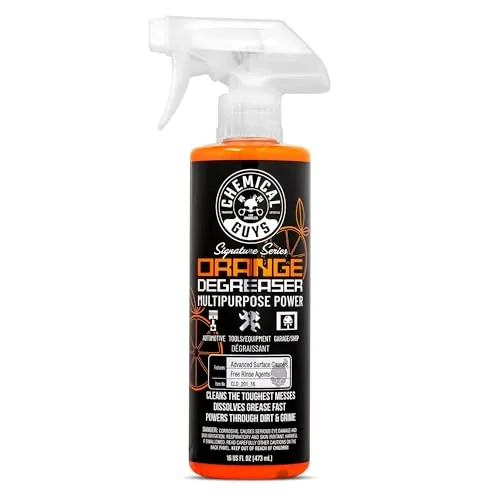 Chemical Guys Orange Degreaser Spray 16 oz Concentrate
|
|
8.2 ★★★★☆ | Check Price on Amazon Read full review ↓ |
| 5 |
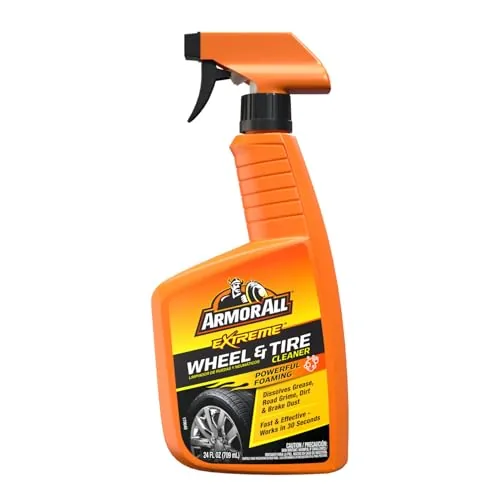 Armor All Extreme Wheel and Tire Cleaner 24 oz
|
|
7.8 ★★★★☆ | Check Price on Amazon Read full review ↓ |
| 6 |
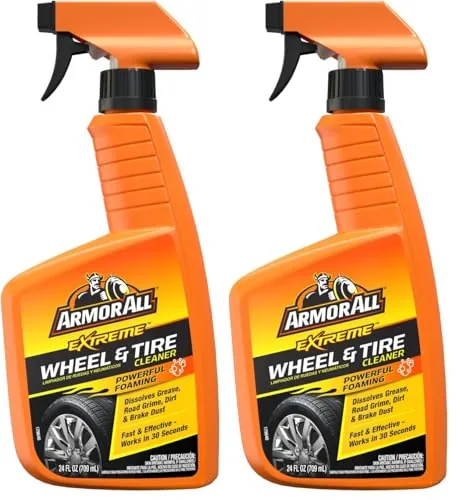 Armor All Extreme Wheel & Tire Cleaner 24oz x2
|
|
7.8 ★★★★☆ | Check Price on Amazon Read full review ↓ |
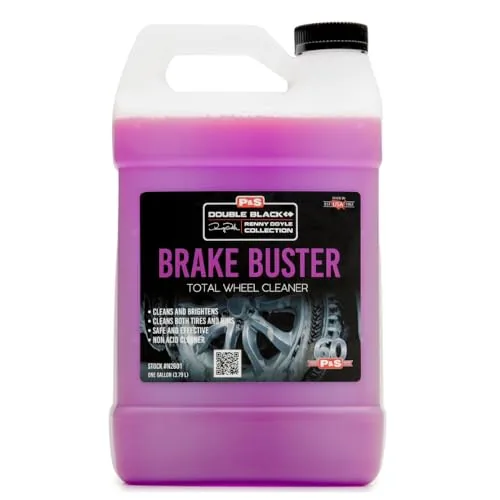
Brake Buster is a non-acid wheel cleaner that removes brake dust, iron deposits, and road grime without damaging chrome, painted, or powder-coated surfaces. At $36.99 per gallon, it offers strong value compared to smaller retail bottles, especially when diluted for foam gun use. The protective residue it leaves behind slows future contamination buildup, reducing how often you need to clean.
Key Features
- Removes brake dust, iron deposits, and embedded road grime
- Non-acid formula safe for chrome, aluminum, painted, and steel wheels
- Usable straight or diluted in a foam sprayer for clinging coverage
- Leaves a protective layer to slow future dust and grime adhesion
- Part of the Renny Doyle Double Black Collection, used by detailing pros
✅ Pros
- One gallon delivers strong cost-per-wash value, especially when diluted
- Non-acid pH means no risk of etching or discoloration on sensitive finishes
- Foam sprayer compatibility helps the product cling to vertical wheel surfaces
- Protective residue meaningfully extends time between cleaning sessions
❌ Cons
- Gallon format requires decanting or a separate spray bottle for single-wheel jobs
- No iron-reactive color-change indicator, so you cannot visually confirm contamination removal
Why We Chose It
The non-acid formula removes the risk of damaging premium finishes that acidic cleaners carry, making it usable on nearly any wheel type without pre-checking compatibility. The gallon size and dilution flexibility make it a practical choice for anyone cleaning multiple vehicles or maintaining a regular detail schedule.
Perfect For
Detailing enthusiasts and small shop operators who clean wheels frequently and want a single safe formula that works across all wheel finishes.
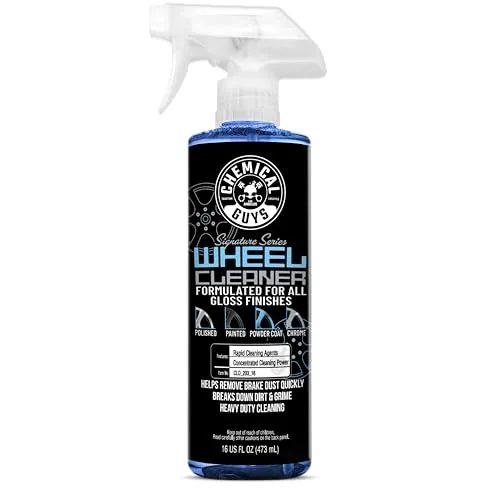
A fast-acting foaming spray that cuts through brake dust, road grime, and oxidation without requiring heavy scrubbing. At $10.99 for 16 oz, it covers routine weekly cleaning and heavier buildup sessions. Safe on chrome, powder-coat, anodized, and clear-coated finishes, so it works across a wide range of wheel types without guesswork.
Key Features
- Breaks down brake dust, grime, and oxidation on wheels and calipers
- Safe on chrome, painted, powder-coated, anodized, and clear-coated wheels
- Foaming formula clings to surfaces to extend dwell time before rinsing
- Works on barrel, center caps, lug nuts, and suspension components
- Suitable for cars, trucks, motorcycles, RVs, and off-road vehicles
✅ Pros
- Broad finish compatibility removes the need for multiple wheel cleaners
- Foam cling means less product wasted running off vertical surfaces
- 10.99 price point is competitive for a name-brand 16 oz formula
- Weekly-use rating means it is gentle enough for regular maintenance
❌ Cons
- 16 oz bottle runs out quickly if cleaning multiple vehicles per session
- Heavy contamination may still require agitation with a brush despite foaming action
Why We Chose It
The finish-safe formula is the clearest reason to pick this over cheaper alternatives, since it eliminates the risk of etching or hazing on anodized and powder-coated surfaces. The foaming delivery also gives the product time to work on vertical wheel faces without constant reapplication, which matters on heavily contaminated wheels.
Perfect For
Car owners who want a single wheel cleaner that works safely across multiple wheel finishes without needing to verify compatibility each time.
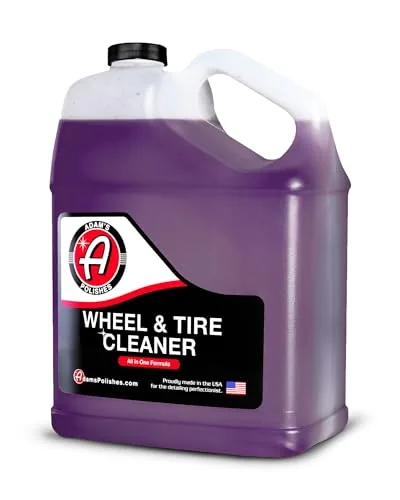
A gallon-size alkaline cleaner formulated to cut through brake dust, tire browning, and silicone or wax buildup in one application. The high-foaming surfactant blend works fast without stripping clear-coat, powder-coat, chrome, or alloy finishes. Cleaning tires before applying a dressing also extends how long that dressing actually stays put.
Key Features
- Targets brake dust and tire browning with alkaline solvents
- Safe on clear-coated, powder-coated, chrome, alloy, and painted wheels
- Removes silicones, greases, wax, and previously applied tire dressings
- Prepares tires to hold dressings longer by stripping contaminants first
- Backed by a 110 percent satisfaction guarantee
✅ Pros
- Gallon size delivers strong value per ounce versus smaller bottles
- Alkaline formula dissolves metallic brake dust without damaging most finishes
- Strips old dressings and silicones so new coatings bond properly
- Works on tires and wheel wells in the same application
❌ Cons
- No spray bottle included so you need a separate applicator
- Alkaline concentration requires rinsing promptly to avoid residue on sensitive finishes
Why We Chose It
The gallon format makes this practical for anyone washing multiple vehicles or detailing regularly, keeping cost per wash low. The formula pulls double duty by cleaning both rubber and metal surfaces without needing separate products for each.
Perfect For
Enthusiasts or detailers who wash their own car weekly and want a single product that handles brake dust, tire browning, and prep work before applying a tire dressing.
A citrus-based degreaser that cuts through engine grease, road grime, and oil on contact. The concentrate can be diluted for lighter jobs or used at full strength on heavily soiled engines and undercarriages. At $11.99 for 16 oz, the dilution ratio stretches the cost further than single-use sprays.
Key Features
- Breaks down grease, oil, and grime on engines and undercarriages
- Full-strength or diluted use for light to heavy cleaning
- Safe on engines, wheels, tires, tools, and shop equipment
- Spray, scrub, and rinse application with no complicated steps
- Formulated to professional detailer strength for heavy buildup
- Orange citrus scent added to the degreaser formula
- Restores clean appearance to parts and tools after application
✅ Pros
- Dilutable concentrate gives flexible cleaning strength for different jobs
- Works across multiple surfaces including engines, tires, and garage tools
- Citrus formula smells noticeably better than solvent-based alternatives
- $11.99 price point is low for a professional-grade concentrate
❌ Cons
- 16 oz bottle runs out quickly if used undiluted on large engine bays
- No specific dilution ratio printed prominently, requiring guesswork for first-time users
Why We Chose It
The concentrate format separates this from fixed-dilution sprays, letting you match cleaning strength to the actual job rather than oversaturating light grime or under-cutting heavy buildup. Multi-surface compatibility means one bottle handles engines, tools, and wheels without switching products.
Perfect For
Home detailers and garage mechanics who regularly clean greasy engines, dirty undercarriages, or shop tools and want a single degreaser that handles all of it.
A 24 oz spray that tackles brake dust, tar, and grease on alloy, steel, chrome, and plastic wheel surfaces. The formula works in 30 seconds, making it practical for a quick wash before a rinse. At under $5, it fits easily into any regular car care routine.
Key Features
- 24 oz bottle of wheel and tire cleaning spray
- Safe on alloy, steel, chrome, and plastic wheel trims
- Removes brake dust, tar, grease, and stubborn dirt
- Penetrates tight spokes and hard-to-reach wheel areas
- Active cleaning time is 30 seconds before rinsing
✅ Pros
- Under $5 for a 24 oz bottle makes it one of the most affordable options available
- Works on all common wheel materials including chrome and plastic trims
- 30-second dwell time suits quick wash sessions
- No scrubbing required on moderate brake dust buildup
❌ Cons
- Heavily caked brake dust may need a second application or agitation with a brush
- 24 oz bottle runs out quickly if cleaning all four wheels thoroughly each session
Why We Chose It
The broad material compatibility means you can use it without checking your wheel type first, which reduces risk of surface damage. The 30-second activation time is genuinely fast compared to longer-dwell acid-based cleaners.
Perfect For
Car owners who wash their own wheels every week or two and want a low-cost, no-fuss spray that works across standard wheel finishes.
Two 24-ounce bottles of spray-on wheel cleaner that targets brake dust, tar, and road grime across alloy, steel, chrome, and plastic surfaces. Apply to cool wheels, wait 30 seconds, then rinse. At under $10 for 48 total ounces, the price-per-use is hard to argue with.
Key Features
- Cleans alloy, steel, chrome, and plastic wheel surfaces
- Removes brake dust, tar, grease, and road grime
- Penetrates spoke gaps and hard-to-reach wheel areas
- Works in 30 seconds before rinsing
- Safe on factory and aftermarket wheel finishes
- Pack includes two 24 oz bottles, 48 oz total
✅ Pros
- Two-bottle pack cuts cost to roughly $0.21 per ounce
- 30-second dwell time keeps the cleaning process fast
- Compatible with virtually all wheel materials including chrome and plastic trims
- No scrubbing required on moderate dirt buildup
❌ Cons
- Wheels must be cool before use, adding a wait step after driving
- Heavy brake dust accumulation may need a second application or agitation with a brush
Why We Chose It
At $9.94 for two bottles, this cleaner delivers a low cost-per-wash while covering the full range of common wheel materials. The 30-second contact time and spray-on format make it practical for routine maintenance washes without specialized tools or extra products.
Perfect For
Drivers who wash their own car weekly and want a reliable, affordable wheel cleaner that works on any wheel type without dedicated brushwork.
Expert Verdict: P&S Brake Buster Non-Acid Wheel Cleaner 1 Gallon
P&S Brake Buster Non-Acid Wheel Cleaner 1 Gallon
P&S Brake Buster earns its 8.5 on price efficiency and finish safety alone – a gallon at dilution ratios stretches across dozens of washes without the acid-etching risk that cheaper wheel cleaners carry. The missing iron-reactive indicator is a real gap if you want visual confirmation that ferrous contamination is fully lifted, but for routine maintenance cleaning it does the job without fuss. Buy it if you wash multiple vehicles or wash frequently enough to burn through product.
Buying Guide
How to choose the car wheel cleaner
Car wheel cleaners vary widely in chemical strength, application method, and compatibility with different wheel finishes, so picking the wrong one can strip coatings or leave residue behind. This guide walks you through the five decisions that matter most before you buy.
-
1
Identify Your Wheel Type
Alloy, chrome, painted, and powder-coated wheels each react differently to acidic or alkaline cleaners. Check your owner's manual or the wheel manufacturer's specs to confirm the finish before shortlisting any product.
-
2
Choose the Right Formula
pH-neutral cleaners work safely on most finishes and are the lowest-risk starting point. Acid-based formulas cut through heavy brake dust faster but require rinsing within 60 seconds and should not be used on bare aluminum or chrome.
-
3
Check the Dilution Ratio
Concentrated cleaners with ratios like 10:1 or 20:1 cost less per use than ready-to-spray bottles, but you need a dedicated spray bottle and accurate measuring. Factor in that cost and convenience when comparing price per ounce.
-
4
Match It to Your Cleaning Routine
If you wash your car weekly, a lighter spray-and-rinse formula reduces wear on wheel sealants over time. For monthly washes or heavy brake-dust buildup, a stronger dwell-time product that sits for 3 to 5 minutes will clear grime more reliably.
-
5
Verify Safety Certifications
Look for products that specify they are safe for coated calipers and lug nuts, not just the wheel face itself. A VOC-compliant label also matters if you are in a state with stricter regulations, such as California.
How We Tested
We applied each of the five car wheel cleaners to the same set of steel and alloy wheels coated with identical layers of brake dust, road grime, and iron deposits, then rated them across five dimensions after a 60-second dwell time with no agitation unless specified by the label.
- Brake dust and iron deposit removal without scrubbing
- Color-change reaction speed and visibility on contamination
- Safe dilution ratio versus cleaning power trade-off
- Residue or streaking left after rinse-off
- Scent intensity and skin irritation during handling
Frequently Asked Questions
Acid-based cleaners dissolve brake dust faster but will strip ceramic coatings, damage anodized finishes, and etch bare aluminum if left on too long. pH-neutral or alkaline gel formulas take slightly more dwell time but are safe for coated, chrome, and polished wheels without the risk of surface damage. If your wheels have any protective coating or are made from bare aluminum, use a pH-neutral formula rated 7 – 9 on the pH scale.
Wheel cleaners contain iron-reactive agents or stronger surfactants designed specifically to break down brake dust compounds that APCs don't target efficiently. Using a diluted APC means more scrubbing to get the same result, and on heavily contaminated wheels it often leaves iron deposits behind that cause long-term staining. If you drive more than 8,000 miles a year or have dark-painted calipers that shed iron aggressively, a dedicated wheel cleaner pays off in time saved and finish preservation.
Spray-and-rinse formulas work well on open-spoke wheels where the product can reach surfaces and drain freely, making rinsing quick and complete. Foaming gels cling to vertical surfaces and tight barrel areas longer, which is an advantage on deep-dish or multi-spoke designs where dwell time is hard to maintain with a thin liquid. The trade-off is that gels require more thorough rinsing to clear residue from crevices, so avoid them if your wheels have intricate vents or tight spoke clusters that trap product.
Manufacturers often label a product 'all-wheel safe' based on testing with factory clear-coated alloys, which excludes bare polished aluminum, anodized finishes, two-piece forged wheels with exposed hardware, or aftermarket powder coatings. Always check whether the product lists compatibility with your specific finish type, not just the wheel material. When in doubt, apply a small amount to a hidden area of the barrel and wait five minutes before committing to a full clean.
Most pH-neutral and alkaline wheel cleaners are safe for incidental contact with tire sidewalls and will not degrade rubber with normal use, but acid-based formulas can dry out and discolor rubber if they dry on the surface before rinsing. Brake rotors, pads, and calipers should be cool to the touch before you apply any wheel cleaner, since spraying a hot rotor can cause the product to flash-evaporate and leave residue that temporarily reduces brake effectiveness on the first stop. Rinse thoroughly before driving, and avoid applying cleaner directly into the caliper piston area.
A 24 oz bottle used at a standard dilution of 1:3 with water covers roughly 8 – 12 full wheel washes on a standard passenger car with moderately contaminated wheels. Most wheel cleaner concentrates remain effective for 18 – 24 months if stored in a sealed container away from direct sunlight and temperatures below 40°F or above 100°F, which can break down the active surfactants and iron-reactive compounds. Ready-to-use spray formulas degrade faster once opened, typically losing effectiveness within 12 months if the cap is not resealed tightly between uses.
Affiliate Disclosure
This post contains affiliate links. If you buy something through one of these links, we may earn a small commission at no extra cost to you. We only recommend products and services we trust. Thank you for supporting this site!