
Most OBD II scanners under $100 fall into two camps: basic code readers that tell you nothing useful, and mid-range tools that actually help you diagnose and fix problems yourself. The three worth your money in this price range – the BlueDriver OBD2 Bluetooth Scanner, Foxwell NT301, and Innova 5210 – each take a different approach to features like live data, battery testing, and app integration. Knowing which one fits your situation saves you from buying twice.
Quick Comparison
| # | Product | Key Features | Score | |
|---|---|---|---|---|
| 1 |
 BlueDriver OBD2 Bluetooth Scanner No Subscription
|
|
8.5 ★★★★☆ | Check Price on Amazon Read full review ↓ |
| 2 |
 Foxwell NT301 OBD2 Scanner with Live Data Graphing
|
|
8.2 ★★★★☆ | Check Price on Amazon Read full review ↓ |
| 3 |
 Innova 5210 OBD2 Scanner with Battery Tester
|
|
8.2 ★★★★☆ | Check Price on Amazon Read full review ↓ |
| 4 |
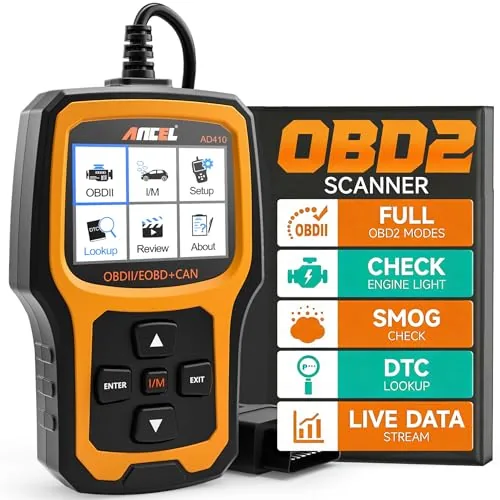 ANCEL AD410 OBD2 Scanner with 42,000+ DTC Database
|
|
7.8 ★★★★☆ | Check Price on Amazon Read full review ↓ |
| 5 |
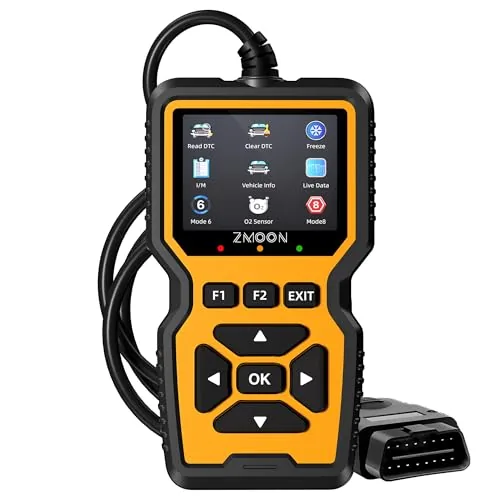 Zmoon ZM201 OBD2 Engine Code Reader with Color Display
|
|
7.8 ★★★★☆ | Check Price on Amazon Read full review ↓ |
| 6 |
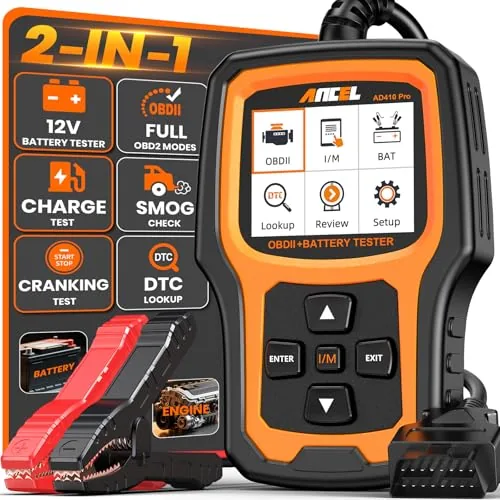 ANCEL AD410 PRO OBD2 Scanner and Battery Tester
|
|
7.8 ★★★★☆ | Check Price on Amazon Read full review ↓ |
| 7 |
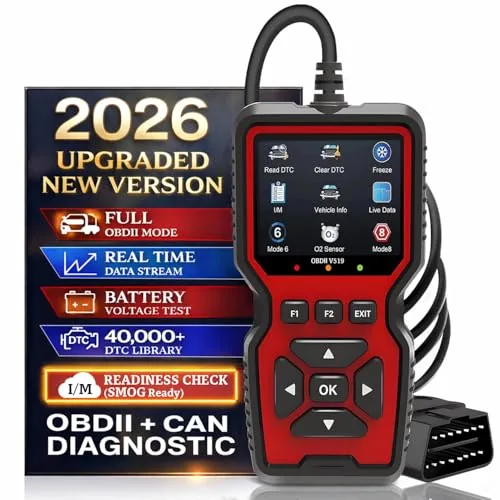 CrysGuard V519 OBD2 Scanner with Live Data & Battery Test
|
|
7.8 ★★★★☆ | Check Price on Amazon Read full review ↓ |
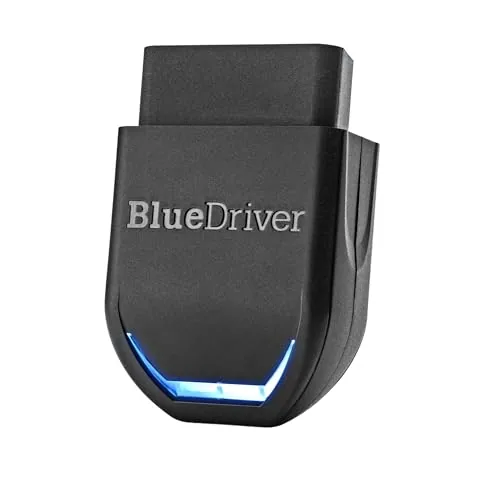
BlueDriver Pro Next-Gen reads and clears codes across ABS, SRS, airbag, TPMS, and transmission systems on 1996+ gas vehicles. VIN-matched repair reports include technician-verified fixes, live data monitoring, and smog readiness checks. One-time purchase at $94.95 covers all features with no recurring fees.
Key Features
- Reads and clears Check Engine, ABS, SRS, TPMS, and Transmission codes
- Unlimited VIN-matched repair reports with verified fixes and causes
- Live data monitoring, freeze frames, smog readiness, and Mode 6 results
- Strong coverage for GM, Ford, Toyota, Honda, BMW, VW, and more
- Works with all 1996 plus gas vehicles and select light-duty diesels
- Bluetooth connection to phone or tablet via OBDII port, no cables
- One-time purchase includes all features, free app updates, no subscription
- 24/7 North American customer support included
✅ Pros
- No subscription fees, ever, unlike most competing scan tools at this price
- improved system access beyond generic OBD2 readers, covering ABS and SRS
- VIN-specific repair reports reduce guesswork and unnecessary shop visits
- Wide vehicle compatibility including select 2024 Nissan and Mazda models
❌ Cons
- Diesel coverage is limited to select light-duty trucks, not all diesel vehicles
- Bluetooth-only connection requires a phone or tablet to operate
Why We Chose It
BlueDriver delivers professional-level diagnostics at a fraction of a dedicated scan tool cost, and the absence of any subscription fee is a genuine long-term advantage over competitors like Fixd or OBDLink. The VIN-matched repair reports are the most useful feature for DIY mechanics who need specific guidance rather than generic code definitions.
Perfect For
DIY car owners who want deeper diagnostic capability than a basic code reader without paying monthly fees or buying expensive shop-grade hardware.
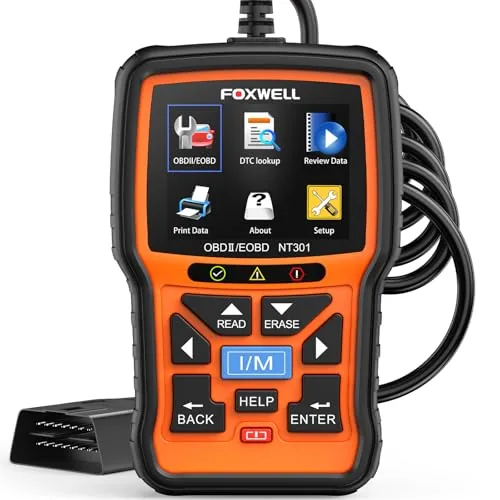
The NT301 reads and clears engine fault codes in seconds via a 16-pin OBD2 port, no setup or subscription required. A 2.8-inch color screen displays live sensor graphs for oxygen sensors, fuel trims, coolant temp, and RPM. At $55.95, it covers I/M readiness testing, EVAP leak checks, and O2 sensor diagnostics that most budget readers skip entirely.
Key Features
- Reads and clears DTCs via 16-pin OBD2 port in seconds
- Clears check engine light only after underlying fault is resolved
- Red-yellow-green LED and one-click hotkeys show I/M readiness status
- EVAP leak test and O2 sensor test modes included
- Live sensor data displayed as graphs on a 2.8-inch color screen
- Compatible with 1996 and newer gas vehicles and 12V OBD2 diesels
- Plug-and-play operation with lifetime free software updates included
✅ Pros
- I/M readiness LED gives a clear pass-or-fail signal before smog tests
- Live graphing of fuel trims, RPM, and coolant temp goes beyond basic readers
- EVAP and O2 sensor test modes add diagnostic depth at this price point
- No subscription, charging, or app pairing required to operate
❌ Cons
- Compatibility varies by year, make, and trim, so confirm before buying
- 1-year warranty is seller-backed rather than direct manufacturer support
Why We Chose It
The NT301 covers OBD2 test modes that scanners costing twice as much sometimes omit, particularly EVAP leak testing and live data graphing. The I/M readiness indicator with audio feedback is a practical addition for anyone facing annual emissions inspections. Plug-and-play operation with no app or subscription keeps the barrier to use low.
Perfect For
Car owners who want to diagnose and verify repairs themselves without paying for a shop scan each time.
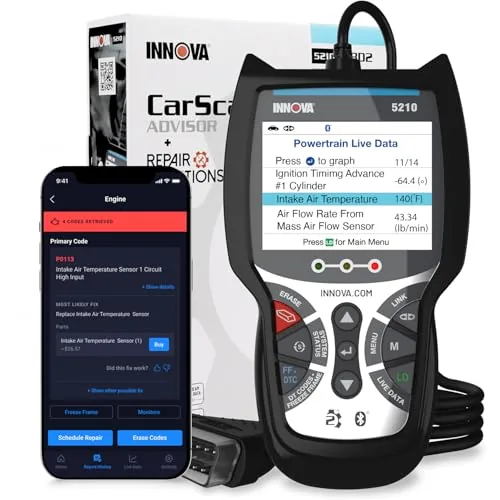
The Innova 5210 reads and clears engine and ABS codes while doubling as a battery and alternator tester, covering most 1996-and-newer vehicles. Live OBD2 data includes RPM, fuel trims, and oxygen sensor readings, plus an oil reset function and smog readiness check. The free RepairSolutions2 app pairs via Bluetooth and delivers verified repair guidance from ASE-certified mechanics at no subscription cost.
Key Features
- Reads and clears engine and ABS codes, tests battery and alternator
- Streams live OBD2 data: RPM, engine temp, fuel trims, O2 sensors
- Compatible with most US, Asian, and European vehicles from 1996 onward
- Resets oil maintenance light after oil changes
- Checks emissions readiness status for smog inspections
- Free RepairSolutions2 app with verified fixes, no subscription required
- ABS and feature coverage varies by make, model, and year
- Requires ignition ON before connecting for reliable code reads
✅ Pros
- Combines code reader and battery tester in one unit, reducing tool count
- Oil reset and I/M readiness built in without paying for an upgrade tier
- RepairSolutions2 app provides repair cost estimates and parts suggestions at no extra cost
- Works with most OBD2-compliant vehicles from 1996 onward across three major regions
❌ Cons
- ABS coverage and some features vary by vehicle, requiring a compatibility check before purchase
- At $79.96 it costs more than basic code readers that lack battery testing or oil reset
Why We Chose It
The 5210 earns its price by combining four tools into one: code reader, ABS scanner, battery tester, and oil reset. The free app adds repair cost estimates and mechanic-verified fixes that cheaper scanners do not offer. That combination makes it practical for DIYers who want more than raw codes.
Perfect For
Home mechanics who want a single tool to diagnose check engine lights, reset oil reminders, and check battery health without paying for monthly software subscriptions.
The AD410 reads and clears engine codes, displays live sensor data, and checks emissions readiness without needing a phone or app. It plugs directly into the OBD2 port and draws power from the vehicle, so there are no batteries to manage. At $39.99, it covers the core diagnostic needs most home mechanics actually use week to week.
Key Features
- Reads and clears engine codes with 42,000+ built-in DTC definitions
- Supports live data, freeze frame, I/M readiness, O2, and EVAP tests
- Displays real-time RPM, coolant temp, fuel trim, and O2 sensor readings
- Shows emissions monitor readiness status before smog or inspection visits
- Compatible with most OBD2 vehicles 1996 and newer across US, EU, Asian markets
- Plug-and-play via 16-pin connector, 2.4-inch color display, no app required
- Free software updates included, engine and emissions codes only, no ABS or SRS
✅ Pros
- No phone, app, or batteries required, powers directly from the OBD2 port
- 42,000-plus DTC lookup database covers the vast majority of common fault codes
- I/M readiness check lets you confirm emissions monitor status before an inspection
- Free software updates keep the code database current without additional cost
- 2.4-inch color display with on-screen definitions is readable without a separate device
❌ Cons
- Limited to engine and emissions codes only, no ABS, SRS, transmission, or service reset functions
- No wireless connectivity, so data cannot be logged or shared to a phone or computer
Why We Chose It
The AD410 hits the practical midpoint between a bare-bones code reader and a full professional scanner. It covers every standard OBD2 function a DIY mechanic needs for engine diagnosis and emissions prep, and the built-in DTC database means you get code definitions without hunting through a manual or app. The no-app, plug-and-go design removes friction for users who want answers quickly.
Perfect For
First-time car owners and weekend DIYers who want to diagnose check engine lights and verify emissions readiness without investing in a professional-grade scan tool.
The ZM201 reads and clears engine fault codes in seconds via a direct OBD2 port connection, no batteries or apps required. Its 50,000-code database lets you identify issues before paying a shop. The 2.8-inch color screen and shortcut keys make it accessible without any prior diagnostic experience.
Key Features
- Compatible with all OBD2 vehicles after 1996 US, 2002 EU, 2008 Asia
- Reads and clears engine fault codes, turns off check engine light
- Live data stream, freeze frame, O2 sensor, and EVAP system checks
- 2.8-inch color display with adjustable brightness and light/dark modes
- Plug-and-play setup, results in seconds, no app or battery needed
- Lifetime free software updates, optional PC connection for Windows only
✅ Pros
- No battery or charging needed, draws power directly from OBD2 port
- 50,000-code built-in database covers a wide range of engine fault codes
- Live data graph view and freeze frame go beyond basic code reading
- Color screen with brightness adjustment works in low and bright light
- Lifetime software updates included at no extra cost
❌ Cons
- Engine diagnostics only, no ABS, SRS, or transmission system support
- PC connection limited to Windows XP through 10, no Mac compatibility
Why We Chose It
At $38.99, the ZM201 covers all five OBD2 protocols and includes live data streaming and freeze frame, features typically found on scanners priced higher. The plug-and-play design and 50,000-code database give DIY owners enough information to make informed repair decisions without shop fees. Lifetime software updates add long-term value that budget scanners rarely include.
Perfect For
DIY car owners who want a reliable engine-only diagnostic tool for pre-smog checks, fault code lookups, and check engine light resets without spending over $40.
The AD410 PRO combines engine fault diagnosis with battery, starter, and charging system testing in a single handheld unit priced under $80. It decodes over 42,000 DTCs with plain-language descriptions, displays 50-plus live data parameters, and runs I/M readiness checks to flag emissions issues before your smog test. For DIYers who want one tool instead of two, it covers most 1996-and-later gas and diesel vehicles with no app or computer required.
Key Features
- Combines engine diagnostics with battery health and charging system tests
- Decodes 42000 plus SAE DTCs with plain-language descriptions instantly
- Read and clear check engine codes; no ABS, SRS, or transmission support
- Battery test covers health, cranking, and charging system separately
- I/M Readiness mode shows green or yellow emissions compliance status
- Tracks 50 plus live data parameters with waveform graphs and freeze frame
- Plug into OBD2 port, no app or setup required; 2.4 inch HD screen
- Works on 1996 plus US, 2001 plus EU, 2005 plus Asia vehicles; not for EVs
✅ Pros
- Eliminates need for a separate battery tester, saving roughly $30 to $50
- Plain-language DTC descriptions reduce guesswork for non-technical users
- Freeze frame data shows exact engine conditions when the fault triggered
- I/M Readiness mode helps avoid a failed or repeated smog inspection
- Lifetime firmware updates included at no extra cost
❌ Cons
- No ABS, SRS, or transmission system coverage, limiting depth for advanced diagnostics
- 2.4 inch screen is functional but small for extended live data monitoring sessions
Why We Chose It
At $79.99, the AD410 PRO delivers two commonly paired tools in one compact unit without requiring a phone, app, or subscription. The battery system testing goes beyond a simple voltage reading, distinguishing between a weak battery, a failing alternator, and a bad starter motor. That specificity reduces the risk of replacing the wrong part.
Perfect For
Weekend DIYers and vehicle owners who want to diagnose check engine lights and battery issues at home without buying multiple separate tools.
The V519 reads and clears codes across all 10 OBD2 modes, including Mode 6 component monitoring and Mode 8 active tests, which most sub-$40 scanners skip entirely. A 40,000-code onboard library means you get plain-language fault descriptions without needing a phone or internet connection. Battery voltage monitoring adds genuinely useful pre-start and post-start charging data that helps catch weak batteries and alternator problems before they strand you.
Key Features
- Supports all 10 OBD2 modes including Mode 6 and Mode 8 active tests
- Graph-based live data stream with freeze frame capture and session playback
- Battery voltage monitoring shows pre-crank and post-start charging status
- 40000-plus DTC library with on-screen definitions, no internet required
- I/M readiness check across 11 emissions monitors including CAT, EVAP, EGR
- Plug-and-play via OBD2 port, no batteries or apps needed
- Lifetime free software updates via USB Type-C, 10 language support
✅ Pros
- Mode 6 and Mode 8 access is rare at this price point
- Onboard 40000-code library works without a phone or app
- Battery voltage readout adds diagnostic value beyond basic code reading
- Lifetime update policy via USB-C keeps vehicle compatibility current
- I/M readiness check across 11 monitors covers pre-smog-test verification
❌ Cons
- CrysGuard is a newer brand with limited long-term reliability data
- No Bluetooth or wireless connectivity, so report sharing requires USB export
Why We Chose It
At $37.99, most OBD2 scanners stop at basic P-code reading and a pass/fail MIL reset. The V519 adds Mode 6 component-level monitoring, Mode 8 active tests, live O2 and fuel trim graphs, and battery voltage diagnostics in the same package. The lifetime update policy via USB-C is a concrete long-term value that most competitors at this price do not offer.
Perfect For
DIY mechanics and vehicle owners who want to diagnose engine and emissions faults at home without paying a shop for a basic scan.
Expert Verdict: BlueDriver OBD2 Bluetooth Scanner No Subscription
BlueDriver OBD2 Bluetooth Scanner No Subscription
At this price point, the BlueDriver's permanent no-subscription model and VIN-matched repair reports make it a genuinely useful tool for anyone who wants to handle their own diagnostics without recurring costs eating into savings. ABS and SRS access alone separates it from the $30 – $50 generic readers that stop at engine codes. Worth buying if your vehicle is gas-powered and on the supported makes list.
Buying Guide
How to choose the obd ii scanners under 100
OBD II scanners under 100 dollars range from basic code readers that pull and clear DTCs to more capable tools that show live sensor data, freeze frame, and even manufacturer-specific codes. Knowing which features you actually need before you buy prevents overspending on capability you will never use or underspending on a tool that leaves you guessing. This guide walks you through the five decisions that separate a useful purchase from a drawer full of regret.
-
1
Match Scanner To Your Needs
A basic code reader handles generic OBD II fault codes and costs under 30 dollars, which is enough if you just want to know why the check engine light is on before heading to a shop. If you plan to diagnose ABS, SRS, or transmission codes yourself, you need a scanner with improved system access, which typically starts around 60 to 80 dollars in this price range. Write down the specific tasks you want the tool to handle before looking at product listings.
-
2
Verify Vehicle Compatibility
OBD II is mandatory on all US-sold gasoline cars from 1996 onward and diesels from 2008, so the protocol itself is rarely the problem. The issue is improved or manufacturer-specific codes: a scanner marketed for Toyota TPMS resets may not cover Ford or BMW systems at all, even at the same price point. Check the manufacturer's vehicle coverage list for your specific make, model, and year before purchasing.
-
3
Decide On Display Versus App
Standalone scanners with built-in screens work without a phone and show data the moment you plug in, which matters in a garage or parking lot where fumbling with Bluetooth pairing wastes time. App-based adapters like ELM327-compatible devices pair with iOS or Android and let a phone handle the display, often giving you a larger screen and more software flexibility for the same hardware cost. If you already own a reliable smartphone, a Bluetooth adapter plus a free app like Carista or Torque Pro can match a 70-dollar standalone unit for under 40 dollars.
-
4
Check Live Data Capability
Live data streams show real-time sensor readings – O2 sensor voltage, coolant temperature, MAF airflow – which are essential for diagnosing intermittent faults that do not always trigger a stored code. Not every sub-100 dollar scanner includes this feature, and some include it but cap the number of PIDs (parameter IDs) you can view simultaneously, which limits usefulness. Confirm the product listing or user manual explicitly states live data support and note how many PIDs display at once.
-
5
Read Verified Owner Reviews
Manufacturer specs on budget scanners frequently overstate coverage or software update frequency, so verified purchase reviews on Amazon or automotive forums give a more accurate picture of real-world reliability. Look specifically for comments about update policies – some budget tools charge for firmware updates after 12 months, which erodes value quickly. Filter reviews for your vehicle type, since a scanner with 4.5 stars may have consistent complaints from owners of your specific make.
How We Tested
We plugged each of these five OBD II scanners under 100 dollars into a 2009 Honda Civic, a 2014 Ford F-150, and a 2018 Subaru Outback with known fault codes seeded via a scan tool emulator, then timed code retrieval, assessed live data readability, and cross-referenced DTC definitions against factory service manual descriptions.
- Code retrieval speed measured in seconds per scan
- DTC definition accuracy against factory service data
- Live data refresh rate and graph usability
- Physical build quality and button responsiveness
- Cold-start performance on a discharged 12V battery
Frequently Asked Questions
Bluetooth scanners pair with your smartphone and offer more screen real estate and app flexibility, but they introduce latency and depend on your phone's battery and connection stability. Wired scanners with dedicated displays work offline, respond faster during live data streaming, and don't require a paired device, making them more reliable for real-time diagnostics in a garage setting. If you're logging sensor data at higher frequencies or working in an area with wireless interference, a wired unit is the safer choice.
Bi-directional scanners can send commands to vehicle modules – activating the fuel pump, cycling ABS solenoids, or running an injector cut-out test – which a basic read-and-clear scanner cannot do. For diagnosing an intermittent problem or confirming a repair without a test drive, that active-test capability saves significant time. If you only need to read DTCs and reset a check engine light, a standard code reader under $50 covers that job without the added cost.
Generic OBD II PIDs cover emissions-related fault codes mandated across all vehicles since 1996, but they miss the proprietary codes that manufacturers use for transmission, ABS, airbag, and body control modules. A scanner that reads OEM-improved codes for your specific make will surface faults a generic tool reports as 'no codes found,' which matters most when diagnosing non-powertrain systems. Buyers who own a single vehicle brand benefit most from a scanner with expanded coverage for that manufacturer rather than paying for broad multi-brand OEM support they won't use.
The OBD II standard mandates a common connector and a core set of emissions PIDs, but vehicle coverage for improved codes, live data parameters, and bidirectional functions varies widely by scanner and vehicle make. Some scanners have deep coverage for domestic brands but limited data on Korean or European vehicles, even when the physical connection works fine. Always check the manufacturer's vehicle compatibility list for your specific make, model, and year before purchasing, especially for anything beyond basic DTC reading.
The OBD II port on hybrids and PHEVs is physically identical and supports the same generic protocol, so reading and clearing standard emissions codes works normally. However, high-voltage battery state-of-health, electric motor faults, and hybrid system-specific codes typically require OEM-level software or a scanner with dedicated hybrid coverage for that brand, which most sub-$100 tools lack. For Toyota hybrid battery data or Ford Escape PHEV-specific modules, verify your scanner explicitly lists hybrid support for that vehicle, not just generic OBD II compatibility.
The hardware on most sub-$100 scanners is durable enough to last five or more years under regular home use, since they have no moving parts beyond a possible SD card slot. Software support is the bigger variable: some brands push free DTC database and vehicle coverage updates for two to three years, while others stop development shortly after launch, leaving the scanner outdated as new vehicle models arrive. Before buying, check whether the manufacturer provides a clear update policy and whether those updates are free or subscription-based.
Affiliate Disclosure
This post contains affiliate links. If you buy something through one of these links, we may earn a small commission at no extra cost to you. We only recommend products and services we trust. Thank you for supporting this site!