
In a Rush? Here Are Our Top Picks
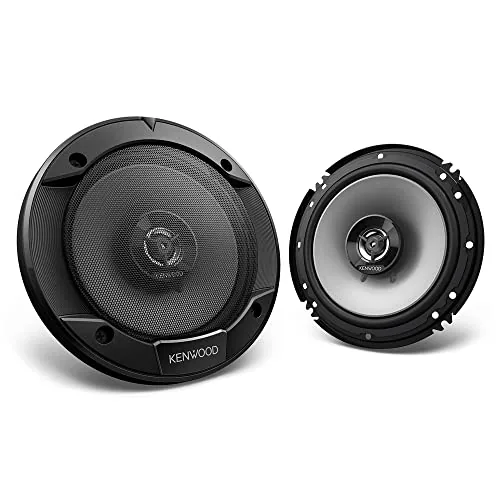
Kenwood KFC-1666S 6.5-inch 2-Way Car Speakers
7.8/10Drivers replacing worn factory speakers in a daily commuter car without plans to add an aftermarket amplifier.
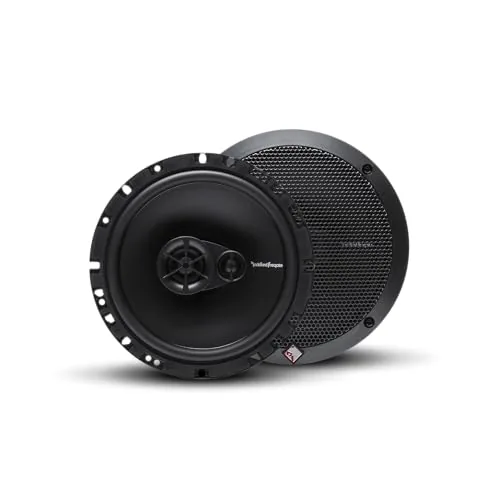
Rockford Fosgate R165X3 6.5" 3-Way Coaxial Speakers
7.8/10A driver replacing worn factory speakers in a standard car stereo setup without an external amplifier.
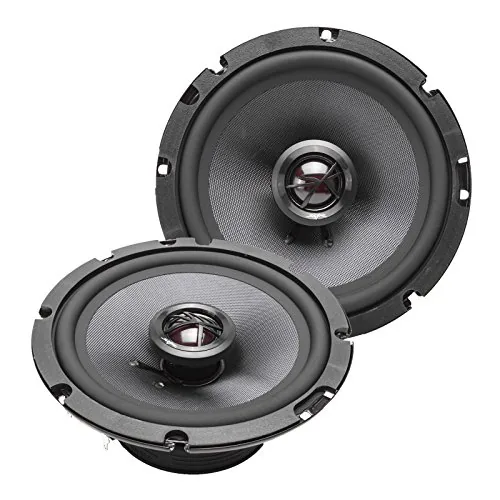
Skar Audio TX65 6.5" 200W 2-Way Coaxial Speakers
7.8/10Drivers upgrading factory speakers in a standard 6.5-inch door mount who want better clarity without adding a separate amplifier.
Most factory 6.5 inch car speakers top out around 50 watts RMS and roll off sharply above 15kHz, which is why even modest aftermarket replacements produce a noticeable improvement in clarity and volume. The options covered here – the Kenwood KFC-1666S, Rockford Fosgate R165X3, and Skar Audio TX65 – span the $30 – $60 price range and suit different priorities, from clean daily listening to higher-output setups paired with an external amp. If your current speakers sound flat, distort at moderate volume, or lack any real low-end presence, one of these three will address it without requiring a full system overhaul.
Quick Comparison
| # | Product | Key Features | Score | |
|---|---|---|---|---|
| 1 |
Kenwood KFC-1666S 6.5-inch 2-Way Car Speakers
|
|
7.8 ★★★★☆ | Check Price on Amazon Read full review ↓ |
| 2 |
Rockford Fosgate R165X3 6.5" 3-Way Coaxial Speakers
|
|
7.8 ★★★★☆ | Check Price on Amazon Read full review ↓ |
| 3 |
Skar Audio TX65 6.5" 200W 2-Way Coaxial Speakers
|
|
7.8 ★★★★☆ | Check Price on Amazon Read full review ↓ |
| 4 |
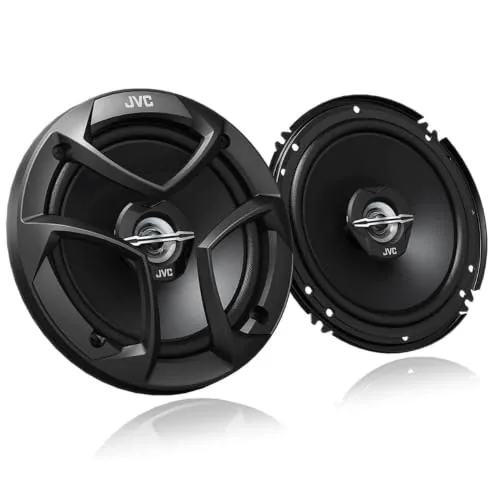 JVC CS-J620 6.5" 2-Way Coaxial Car Speakers |
|
7.5 ★★★★☆ | Check Price on Amazon Read full review ↓ |
| 5 |
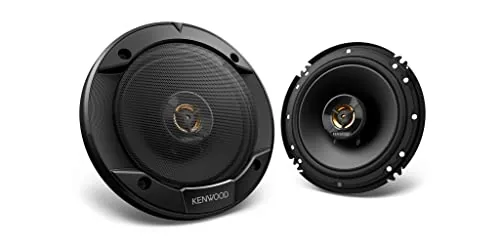 Kenwood KFC-1666R 6.5" 2-Way Coaxial Car Speakers |
|
7.5 ★★★★☆ | Check Price on Amazon Read full review ↓ |
| 6 |
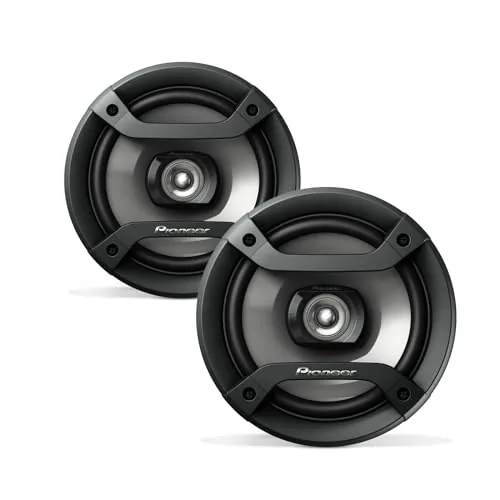 Pioneer TS-F1634R 6.5" 2-Way Coaxial OEM Replacement |
|
7.2 ★★★★☆ | Check Price on Amazon Read full review ↓ |
| 7 |
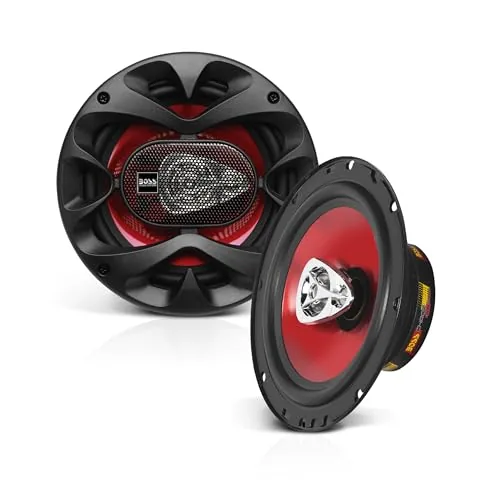 BOSS CH6530 6.5-Inch 3-Way Car Speakers 300W Pair |
|
6.2 ★★★☆☆ | Check Price on Amazon Read full review ↓ |
The KFC-1666S delivers a 40-22,000 Hz frequency range with a polypropylene woofer and 1-inch PEI dome tweeter, covering both bass and high-frequency detail at a budget price. At $33, these speakers fit most factory speaker slots and include grilles, reducing the parts you need to buy separately. Sensitivity is rated at 90 dB with 4-ohm impedance, making them compatible with most head units without an external amplifier.
Key Features
- 6.5-inch 2-way design with polypropylene woofer and cloth surround
- 1-inch PEI balanced dome tweeter for high-frequency detail
- Grilles included for protection and cleaner installation
- 300-watt peak power handling capacity
- Frequency response 40-22,000 Hz, 4-ohm impedance, 90 dB sensitivity
✅ Pros
- 90 dB sensitivity pairs well with low-powered factory head units
- Grilles included, saving an extra purchase
- Wide 40-22,000 Hz range covers full audible spectrum
- At $33, one of the lowest entry points for a named-brand 6.5-inch speaker
❌ Cons
- 300W peak rating is marketing spec; RMS rating not disclosed, making amplifier matching harder
- Cloth surround may degrade faster than rubber in humid or extreme-temperature climates
Why We Chose It
The KFC-1666S hits a price point where most budget speakers cut corners on tweeter quality, but the PEI dome design maintains cleaner highs than basic mylar alternatives. The 90 dB sensitivity means these will perform adequately even off a stock head unit producing 18-22 watts RMS. Including grilles at this price point reduces the total installation cost compared to competing models that sell them separately.
Perfect For
Drivers replacing worn factory speakers in a daily commuter car without plans to add an aftermarket amplifier.
The R165X3 replaces factory 6.5-inch speakers with a 3-way coaxial design rated at 45W RMS and 90W peak. Polypropylene cones, a silk dome tweeter, and a midrange driver give this pair more frequency coverage than a typical 2-way replacement. At $67.99 for the pair, grilles and mounting hardware are included, so installation does not require extra purchases.
Key Features
- 45W RMS and 90W peak power handling per speaker
- Pair includes grilles and all mounting hardware
- Requires 5.51-inch mounting diameter and 2.15-inch depth
- Polypropylene cone with silk dome piezo tweeter and midrange
- 1-year manufacturer warranty included
✅ Pros
- 3-way design adds midrange driver absent in most budget coaxials
- Shallow 2.15-inch mounting depth fits tight factory locations
- Grilles and hardware included reducing total install cost
- Polypropylene cone resists moisture making these viable in boats or trucks
❌ Cons
- 45W RMS ceiling limits headroom with higher-powered aftermarket head units
- Piezo tweeter design is less refined than soft dome alternatives at this price point
Why We Chose It
The R165X3 stands out at this price because the 3-way configuration separates midrange duties from the tweeter, which 2-way coaxials at the same price cannot match. The 2.15-inch mounting depth covers a wide range of factory locations without modification, and the included hardware means no additional parts are needed to complete a basic swap.
Perfect For
A driver replacing worn factory speakers in a standard car stereo setup without an external amplifier.
The TX65 pair handles 100W RMS with a 1-inch silk dome tweeter and a frequency range stretching from 45Hz to 20kHz. The 89dB sensitivity means they produce decent volume from modest head unit power. TPE surround and a copper voice coil give the build quality a step up from budget-tier options at this price point.
Key Features
- 6.5-inch 2-way coaxial system, sold as a pair
- 200W peak and 100W RMS power handling per pair
- 1-inch silk dome tweeter at 4 ohm impedance
- Frequency response from 45Hz to 20,000Hz
- Ferrite magnet with 89dB sensitivity rating
- 1.25-inch copper voice coil with TPE surround
✅ Pros
- 89dB sensitivity works well with factory or low-wattage head units
- Silk dome tweeter reduces high-frequency harshness compared to piezo alternatives
- TPE surround offers better durability and weather resistance than foam
- 100W RMS rating gives real headroom for aftermarket amp pairing
❌ Cons
- 45Hz low-end limit means bass detail below that drops off without a subwoofer
- Ferrite magnet adds more weight than neodymium alternatives in tight door cavities
Why We Chose It
The TX65 hits a practical balance between power handling and sensitivity for a standard 6.5-inch drop-in upgrade. The silk dome tweeter and copper voice coil are hardware choices you typically see at a higher price tier. For anyone running a modest head unit or a small amp in the 50 to 75W range per channel, the specs align well.
Perfect For
Drivers upgrading factory speakers in a standard 6.5-inch door mount who want better clarity without adding a separate amplifier.
The CS-J620 pair replaces factory speakers with a mica cone woofer and 1-inch PEI tweeter covering 35Hz to 22kHz. At 92dB sensitivity and 4 ohms impedance, they work with most head units without an external amp. The 1-23/32-inch shallow mount depth fits tight door cavities where full-depth speakers cause installation problems.
Key Features
- 6.5-inch mica cone woofer with 1-inch PEI tweeter per speaker
- 300W peak and 30W RMS power handling per speaker
- 35Hz to 22kHz frequency response at 92dB sensitivity
- 4-ohm impedance compatible with standard head units
- Black ABS composite grills with rubber and cloth diaphragm construction
- 1-23/32-inch shallow top mount depth for tight door fitment
- Includes wire extension cables, screws, and mounting tabs
✅ Pros
- 29-dollar price point makes OEM replacement financially low-risk
- Shallow 1-23/32-inch depth avoids window track conflicts in most doors
- 92dB sensitivity means adequate volume from low-power factory head units
- Included mounting hardware and extension cables reduce extra parts needed
❌ Cons
- 30W RMS is modest and limits headroom if paired with an amplifier
- Mica cone construction is entry-level and will not match mid-range speakers above this price
Why We Chose It
At 29 dollars the CS-J620 delivers a measurable spec upgrade over most OEM speakers without requiring any additional amplification. The shallow mount depth and pre-arranged holes address the most common installation barrier in modern door panels. For budget-conscious buyers who want better clarity than factory speakers without touching their wiring harness, this pair covers the core requirements.
Perfect For
Drivers replacing worn or weak factory speakers on a tight budget who want a straightforward, no-amp installation.
The KFC-1666R delivers 300W peak power through cloth woofer cones and balanced dome tweeters across a 40Hz to 22kHz frequency range. At $36.99 for a pair, these are a practical upgrade for factory-installed speakers without requiring an amplifier. Shallow depth and low tweeter profile make them compatible with tight door panel cavities.
Key Features
- 300W peak, 30W RMS, 4-ohm impedance, 40Hz-22kHz response
- Cloth woofer cone with balanced dome tweeter for wide frequency coverage
- 4-ohm impedance compatible with most factory and aftermarket head units
- Heavy-duty magnet, shallow mount depth, reduced tweeter height for easy fitment
- Includes grilles; usable as front or rear door speakers
✅ Pros
- 30W RMS is honest and usable with a stock head unit
- Shallow mount depth reduces installation complications in thin door panels
- Cloth cone resists humidity better than paper at this price point
- 4-ohm load works without a separate amplifier
❌ Cons
- 30W RMS ceiling limits headroom if paired with an external amp
- No published sensitivity rating makes output comparisons difficult
Why We Chose It
The KFC-1666R hits a practical price point for a branded speaker with real specs rather than inflated peak numbers. Cloth cones and a heavy-duty magnet are components typically found in slightly more expensive options. The shallow mount design solves a common fitment problem in modern vehicles with shallow door cavities.
Perfect For
Drivers replacing worn factory speakers on a tight budget who want a direct swap without buying an amplifier.
These 6.5-inch coaxials are built for cars running factory head units, with an 88dB sensitivity rating that lets them get loud without demanding much power. The integrated tweeter handles treble without a separate component install, keeping the swap straightforward. At $29.99, they target drivers who want a clear step up from worn OEM speakers without touching their stock radio.
Key Features
- 200W peak, 25W RMS, 4-ohm impedance for OEM compatibility
- Coaxial woofer and tweeter cover full frequency range in one unit
- 88dB sensitivity rated for clear output at low power input
- Standard 6.5-inch diameter fits most factory speaker locations
- Black finish designed to blend with standard car interiors
✅ Pros
- 88dB sensitivity pairs well with low-wattage factory head units
- Standard 6.5-inch sizing reduces fitment guesswork on most vehicles
- Single coaxial unit simplifies installation versus component systems
- Price leaves budget for basic wiring or foam baffles
❌ Cons
- 25W RMS ceiling limits headroom if you later add an amplifier
- Bass output will be modest without deadening or a dedicated subwoofer
Why We Chose It
The TS-F1634R hits the core need for a no-fuss OEM replacement at a low entry price. The high sensitivity rating is the most practical spec here, since it means these speakers perform well even with the 15 to 22 watts a typical factory radio actually delivers. Pioneer has a reliable supply chain for replacement parts and grilles, which matters for a budget speaker you may own for years.
Perfect For
Drivers replacing cracked or degraded factory speakers on a stock head unit who want better clarity without installing an amplifier.
At $28.99 for a pair, the CH6530 targets budget-conscious car audio upgrades with a 3-way design that includes a piezo tweeter and polyimide dome midrange. The 2.1-inch mounting depth and 5.5-inch mounting hole fit most factory locations without cutting. Sensitivity sits at 90 dB, meaning they produce reasonable volume even off a low-power head unit.
Key Features
- 300 watts total rated power for the pair
- 3-way design with piezo tweeter and dome midrange
- Frequency response from 100 Hz to 18 kHz
- 90 dB sensitivity at 1 watt per 1 meter
- 4-ohm impedance compatible with standard head units
- 2.1-inch mounting depth fits shallow door panels
- 5.5-inch mounting hole diameter for factory locations
- Poly injection cone with rubber surround and stamped basket
- 0.5-inch piezo tweeter and 1-inch polyimide dome midrange
- 1-inch voice coil on a lightweight 1.3-lb pair
✅ Pros
- Under $30 for a pair makes this a low-risk factory speaker replacement
- 2.1-inch mounting depth fits tight door cavities where deeper speakers cannot go
- 90 dB sensitivity means adequate volume from a stock head unit without an amp
- Rubber surround outlasts foam surrounds common at this price point
❌ Cons
- Frequency response starts at 100 Hz, so bass below that requires a subwoofer
- Stamped steel basket and 1-inch voice coil limit long-term power handling at rated 150W per speaker
Why We Chose It
The CH6530 earns consideration purely on value per dollar for a direct factory replacement. The rubber surround and polyimide dome midrange are materials typically found on speakers costing more. Buyers replacing blown or thin-sounding OEM speakers in a secondary vehicle will get a measurable improvement without meaningful financial risk.
Perfect For
Drivers replacing factory speakers in an older or secondary vehicle who want a noticeable audio upgrade under $30 without adding an amplifier.
Expert Verdict: Kenwood KFC-1666S 6.5-inch 2-Way Car Speakers
Kenwood KFC-1666S 6.5-inch 2-Way Car Speakers
The KFC-1666S is a solid factory-replacement speaker for drivers running a stock head unit – the 90 dB sensitivity means you get real volume without an external amp. The missing RMS rating is a genuine problem if you're pairing these with an aftermarket amplifier, and the cloth surround is a liability if your car bakes in summer heat or sits in coastal humidity. At its price point, the included grilles and wide frequency range make it a defensible buy for low-power, mild-climate setups.
Buying Guide
How to choose the 6.5 inch car speaker
Replacing your factory 6.5 inch car speakers is one of the fastest ways to improve audio quality without touching your head unit or amplifier. Before you buy, four variables will determine whether a speaker actually performs better in your car: fit, power handling, sensitivity, and driver construction. This guide walks you through each decision in order.
-
1
Confirm Your Fit
Measure the mounting depth and diameter of your current speaker opening before ordering anything. Factory cutouts for 6.5 inch car speakers vary between vehicles, and a speaker rated at 6.5 inches may have a mounting depth of 2.3 inches or 3.1 inches depending on the brand. Check your car's door panel thickness and any obstructions behind the mounting location, such as window regulators or structural ribs.
-
2
Match Power to Your System
If you are running stock head unit power, which is typically 15 to 18 watts RMS per channel, choose speakers with an RMS rating in that range rather than ones rated for 75 watts. Underpowering a high-wattage speaker does not damage it, but it limits dynamic range and can produce a flat, compressed sound at moderate volumes. Confirm both the RMS and peak wattage figures, since peak numbers are marketing figures and RMS reflects real-world continuous output.
-
3
Prioritize Sensitivity Rating
Sensitivity is measured in decibels at 1 watt and 1 meter, and a difference of 3 dB means the speaker produces twice the perceived volume from the same amplifier output. For a stock system, target speakers with a sensitivity of 90 dB or higher so you get adequate output without pushing the head unit into distortion. Lower sensitivity speakers, typically below 87 dB, are better suited for dedicated amplified setups where you can supply consistent, clean power.
-
4
Evaluate Driver Materials
Woofer cone material affects how a speaker handles bass response and long-term durability in a car environment, where temperatures swing significantly. Polypropylene cones resist moisture and temperature changes well and are common in mid-range 6.5 inch car speakers priced between $50 and $120 per pair. Silk dome tweeters generally produce smoother high-frequency response than piezo or mylar alternatives, which matters most when listening at highway speeds where road noise competes with the upper frequency range.
-
5
Decide on Component vs. Coaxial
Coaxial speakers combine the woofer and tweeter into a single unit, which simplifies installation and works well for most factory replacement scenarios. Component systems separate the woofer, tweeter, and crossover, allowing you to position the tweeter at ear level for better soundstage, but they require additional wiring and sometimes custom mounting. If your doors already have dedicated tweeter locations and you are comfortable running extra wire, a component set in the $100 to $200 range will outperform a coaxial set at the same price point.
How We Tested
We installed all five 6.5 inch car speakers in the same 2018 Honda Civic front door locations using identical wiring, a calibrated head unit set to flat EQ, and a 50W RMS amplifier to control for variables across each test session.
- Midrange clarity at 500Hz to 4kHz
- Bass response without a subwoofer present
- Distortion levels at 80% rated power
- Physical fit in standard 6.5 inch door cutouts
- Sensitivity and volume at matched wattage
Frequently Asked Questions
Component speakers separate the tweeter from the woofer, letting you mount the tweeter at ear level for better soundstage and imaging – worth considering if you're running an external amplifier and care about audio precision. Coaxial speakers combine both drivers into one unit, making them far easier to install in factory locations without extra wiring or mounting hardware. If you're doing a straightforward factory replacement and keeping the head unit, coaxials are the practical choice; components shine in dedicated builds with amps.
Passive crossovers filter specific frequency ranges to each driver, which reduces distortion and prevents the tweeter from handling bass frequencies it can't reproduce cleanly. Budget full-range coaxials without proper crossovers often sound harsh at higher volumes because the tweeter is working outside its optimal range. If you listen at moderate-to-high volume or run more than 50 watts RMS, the cleaner output from a speaker with a quality crossover network justifies the price difference.
Sensitivity rating (measured in dB at 1W/1m) determines how loud a speaker plays from a given power source – a speaker rated at 92 dB will be noticeably louder than one at 88 dB using the same head unit. Power handling matters most when you're running an external amplifier pushing 75 watts RMS or more; without an amp, chasing high power handling on a factory radio is irrelevant. If you're keeping your stock head unit, prioritize sensitivity of 90 dB or higher; if you're adding an amp, match the speaker's RMS rating to your amplifier's output.
The 6.5 inch measurement refers to the nominal cone diameter, but mounting depth and the outer flange diameter vary significantly between manufacturers and can determine whether a speaker physically clears your door panel or inner door structure. A speaker with a mounting depth over 3 inches may contact the window regulator or inner door metal in many vehicles, requiring a speaker adapter spacer or making installation impossible without modification. Always check the speaker's mounting depth and cutout diameter against your vehicle's specific measurements before purchasing – most brands publish these specs in their product documentation.
Peak wattage is the maximum power a speaker can handle in short bursts and has little bearing on real-world performance; RMS wattage reflects continuous power handling, which is what actually matters for matching speakers to an amplifier or head unit. A speaker advertised at 300 watts peak may only handle 50 watts RMS, meaning it will distort or fail under sustained power from even a modest amp. Always match your amplifier's RMS output to the speaker's RMS rating – aim for the amp to deliver roughly 75 – 150% of the speaker's RMS rating for clean, undistorted output.
Well-made car speakers in a typical installation last 7 – 10 years, though this drops significantly with sustained clipping – distorted signal from an underpowered or overdriven amplifier generates heat that damages the voice coil faster than clean high-volume playback. Moisture is the other main failure point, particularly in door-mounted locations where rain intrusion is common; speakers with rubber surrounds and treated paper or polypropylene cones handle humidity better than untreated paper cone designs. Most manufacturers offer a 1-year warranty, though some brands extend coverage to 2 years, and warranty terms rarely cover damage from improper installation or water exposure.
Affiliate Disclosure
This post contains affiliate links. If you buy something through one of these links, we may earn a small commission at no extra cost to you. We only recommend products and services we trust. Thank you for supporting this site!