
In a Rush? Here Are Our Top Picks
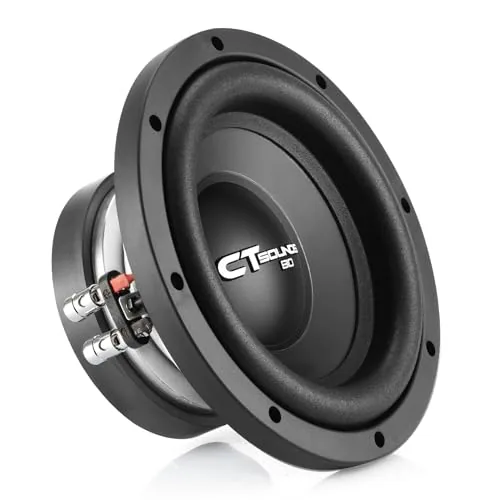
CT Sounds Bio 8" 300W RMS Dual 4-Ohm Subwoofer
8.2/10A budget-focused builder upgrading a factory system in a compact car or truck who needs a shallow-mount sub that pairs cleanly with a 300-500W amplifier.
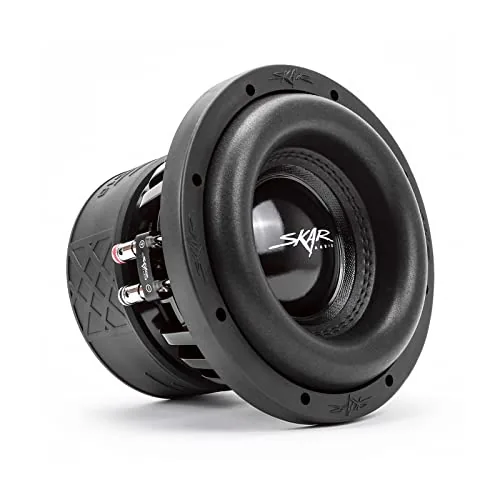
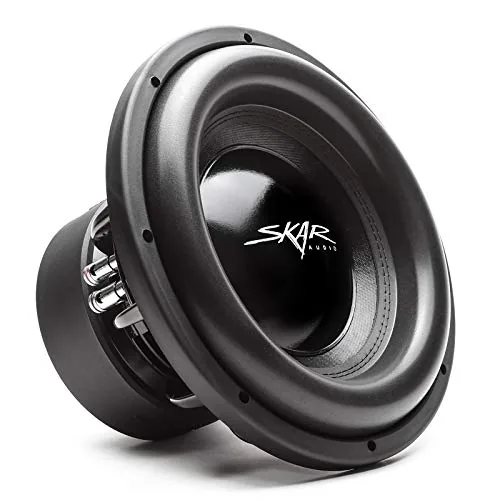
Skar Audio EVL-8 D2 8" Dual 2-Ohm Subwoofer
8.2/10Car audio builders who need strong bass output from a tight enclosure space and already own or plan to buy an amplifier rated above 400W RMS.
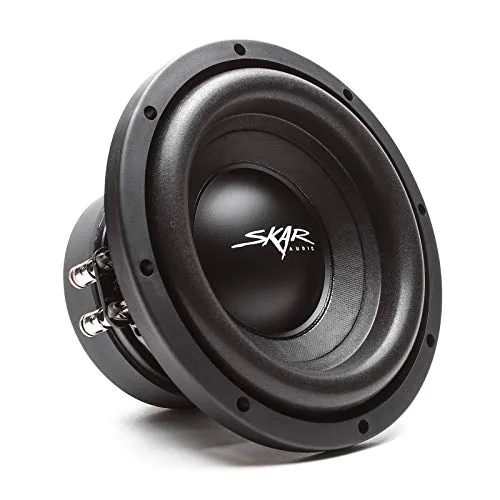
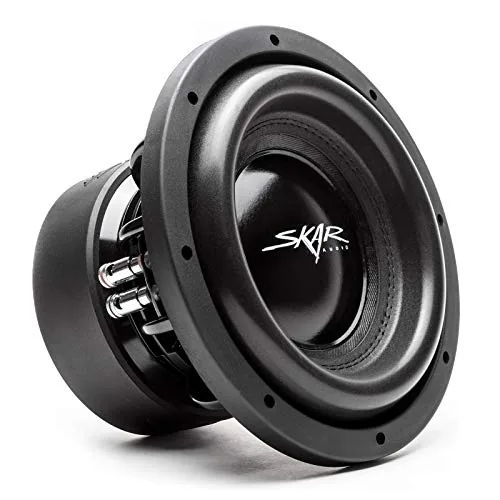
Skar Audio SDR-8 D4 8-Inch 350W RMS Subwoofer
7.8/10Budget-conscious builders running a mid-powered amplifier in a compact sealed or ported enclosure who need tight, accurate bass rather than maximum volume.
Finding the right 8 inch subwoofer means balancing output, power handling, and enclosure compatibility without overspending on hardware you don’t need. The CT Sounds Bio 8″, Skar Audio EVL-8 D2, and Skar Audio SDR-8 D4 each target different budgets and build goals, so the best choice depends on your RMS power range, available box space, and whether you’re wiring to a mono or multi-channel amp. This guide breaks down how each one performs in real-world installs so you can buy with confidence.
Quick Comparison
| # | Product | Key Features | Score | |
|---|---|---|---|---|
| 1 |
CT Sounds Bio 8" 300W RMS Dual 4-Ohm Subwoofer
|
|
8.2 ★★★★☆ | Check Price on Amazon Read full review ↓ |
| 2 |
Skar Audio EVL-8 D2 8" Dual 2-Ohm Subwoofer
|
|
8.2 ★★★★☆ | Check Price on Amazon Read full review ↓ |
| 3 |
Skar Audio SDR-8 D4 8-Inch 350W RMS Subwoofer
|
|
7.8 ★★★★☆ | Check Price on Amazon Read full review ↓ |
| 4 |
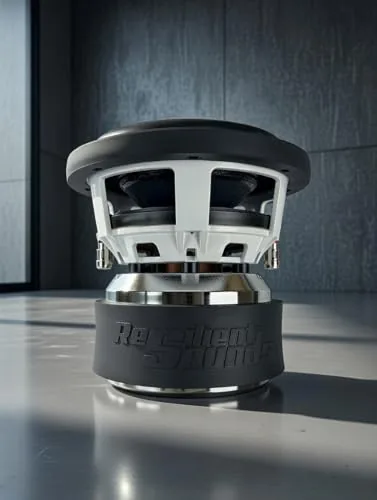 Resilient Sounds Gold 8" D2 1000W RMS Subwoofer |
|
7.8 ★★★★☆ | Check Price on Amazon Read full review ↓ |
| 5 |
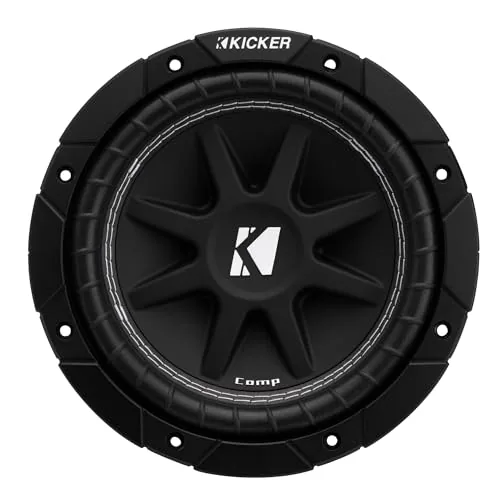 KICKER 43C84 Comp 8" Single Voice Coil 4-Ohm Sub |
|
7.8 ★★★★☆ | Check Price on Amazon Read full review ↓ |
| 6 |
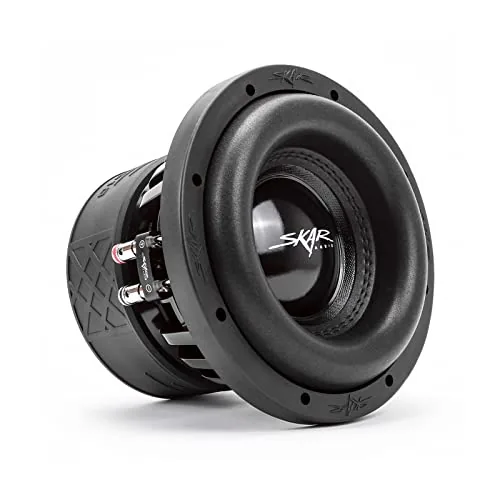 Skar Audio EVL-8 D4 8-Inch Dual 4-Ohm Subwoofer |
|
7.8 ★★★★☆ | Check Price on Amazon Read full review ↓ |
| 7 |
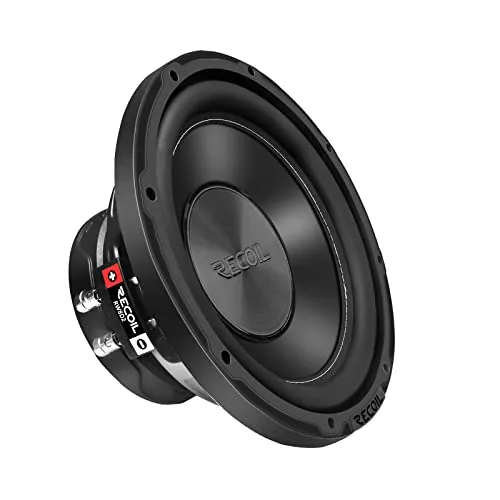 RECOIL RW8D2 8-Inch 400W Dual 2-Ohm Subwoofer |
|
7.2 ★★★★☆ | Check Price on Amazon Read full review ↓ |
| 8 |
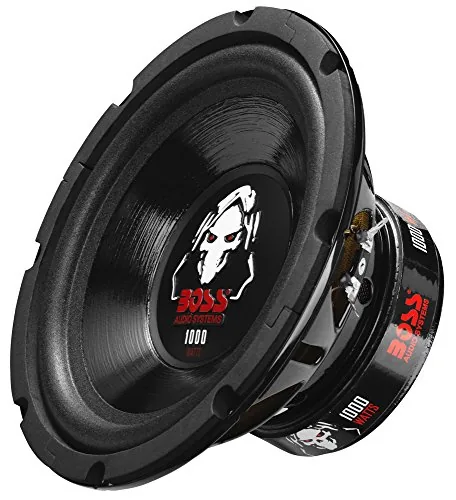 BOSS P80DVC 8-Inch Dual 4 Ohm Car Subwoofer |
|
6.5 ★★★☆☆ | Check Price on Amazon Read full review ↓ |
The Bio 8 delivers 300 watts RMS from a compact 3.82-inch mounting depth, making it a practical choice for builds where space is tight. The dual 4-ohm voice coil gives you wiring flexibility to match a wide range of amplifiers. At $59.99, it targets budget-conscious builders who want measurable specs without guesswork.
Key Features
- 8-inch dual 4-ohm subwoofer for flexible amplifier wiring
- 300W RMS and 600W peak power handling
- 2-inch 4-layer copper voice coil with single-stacked motor
- Advanced air cooling system for thermal management
- Low carbon iron zinc bottom plate for magnetic efficiency
- 3.82-inch mounting depth and 7.17-inch cutout diameter
✅ Pros
- 3.82-inch mounting depth fits shallow enclosures and compact builds
- Dual 4-ohm coil wires to 2 or 8 ohms for amplifier flexibility
- 4-layer copper voice coil handles heat better than standard 2-layer designs
- $59.99 price point is competitive for a named-brand 8-inch sub with published specs
❌ Cons
- 300W RMS ceiling limits pairing options to mid-range amplifiers
- Single-stacked motor may show limits in ported enclosures pushing high excursion
Why We Chose It
The Bio 8 stands out at this price because CT Sounds publishes real RMS figures rather than inflated peak numbers, which makes amplifier matching straightforward. The 3.82-inch mounting depth is a genuine advantage for door pods, underseat enclosures, or slim trunk builds where a standard sub will not physically fit.
Perfect For
A budget-focused builder upgrading a factory system in a compact car or truck who needs a shallow-mount sub that pairs cleanly with a 300-500W amplifier.
The EVL-8 D2 delivers 600 watts RMS from an 8-inch driver, making it a strong performer for builds where space is limited but output still matters. The 122 oz. double-stack ferrite magnet and 4-layer copper voice coil give it thermal headroom most budget subs lack. At a free-air resonance of 44.9 Hz, it hits lower than many compact woofers in its class.
Key Features
- 1,200W peak power with 600W continuous RMS rating
- 2.5-inch dual 2-ohm 4-layer copper voice coil with heat coating
- 122 oz. double-stack ferrite magnet with 20.27 Bl force factor
- Free-air resonance at 44.9 Hz with 81.8 dB sensitivity
- High-roll foam surround bonded to pressed paper competition cone
✅ Pros
- 600W RMS is high output for an 8-inch driver
- 4-layer voice coil with black coating resists heat during extended sessions
- 122 oz. double-stack magnet produces strong motor force for tight, controlled bass
- 44.9 Hz Fs allows meaningful low-end extension in a sealed or ported enclosure
❌ Cons
- 81.8 dB sensitivity is below average, requiring a capable amplifier to reach full output
- Dual 2-ohm wiring limits amplifier compatibility compared to more common single-coil configs
Why We Chose It
The EVL-8 D2 stands out in the 8-inch category because 600W RMS is unusually high for this driver size, and the double-stack magnet assembly backs that rating with real motor strength. The 4-layer coated voice coil addresses the main failure point of high-power compact subs, which is heat buildup during hard use.
Perfect For
Car audio builders who need strong bass output from a tight enclosure space and already own or plan to buy an amplifier rated above 400W RMS.
The SDR-8 delivers 350 watts RMS from an 8-inch driver, making it a practical choice for builders who want controlled bass without dedicating a large enclosure. The dual 4-ohm voice coil gives you wiring flexibility, letting you present either a 2-ohm or 8-ohm load to your amplifier. Build quality centers on a 4-layer copper voice coil and foam surround, which hold up better under sustained power than entry-level paper or rubber alternatives.
Key Features
- 8-inch driver with dual 4-ohm voice coil configuration
- 700W peak power, 350W continuous RMS rated output
- 2-inch 4-layer copper voice coil rated for high temperatures
- High-roll foam surround with pressed paper cone construction
- Frequency response 30 Hz to 350 Hz, sensitivity 83.7 dB
- Ferrite motor with built-in airflow cooling channels
✅ Pros
- Dual 4-ohm coil allows wiring to 2 ohms or 8 ohms for amplifier matching
- 350W RMS is a realistic and usable power rating for this driver class
- 30 Hz low-end extension is respectable for an 8-inch subwoofer
- 4-layer copper voice coil handles heat better than standard 2-layer designs
❌ Cons
- 83.7 dB sensitivity is below average, requiring a more powerful amplifier to reach high volumes
- Pressed paper cone absorbs moisture over time in humid climates
Why We Chose It
The SDR-8 earns its place by pairing a honest 350W RMS rating with dual 4-ohm flexibility, which is a combination that suits budget amplifier builds where impedance matching matters. The 4-layer copper voice coil is a meaningful upgrade over what most subwoofers offer at this price point, reducing the risk of thermal failure during extended sessions.
Perfect For
Budget-conscious builders running a mid-powered amplifier in a compact sealed or ported enclosure who need tight, accurate bass rather than maximum volume.
An 8-inch subwoofer rated at 1,000 watts RMS with a dual 2-ohm voice coil, giving installers flexibility to wire at 1 or 4 ohms. The 19mm Xmax is a strong excursion figure for this driver size, supporting deeper, more controlled bass output at high power levels. At $169.99, it targets builders who want real power handling in a compact footprint without paying flagship prices.
Key Features
- 1,000 watts RMS continuous power handling
- Dual 2-ohm voice coil for wiring flexibility
- 19mm Xmax for extended cone travel and deep bass
✅ Pros
- 19mm Xmax is above average for an 8-inch driver, supporting louder output with less distortion
- Dual D2 coil lets you wire to 1 ohm or 4 ohms to match a wider range of amplifiers
- 1,000 watts RMS is a genuine power rating, not a peak inflated figure
- Compact 8-inch size suits smaller enclosures and trunk builds with limited space
❌ Cons
- Resilient Sounds is a lesser-known brand, so long-term reliability data and warranty support are harder to verify
- No published Fs, Qts, or box recommendations provided, requiring more research before enclosure design
Why We Chose It
The combination of 1,000 watts RMS and a 19mm Xmax in an 8-inch format is uncommon at this price point, making it a strong candidate for compact high-power builds. The dual D2 coil adds real installation flexibility that cheaper single-coil alternatives cannot match.
Perfect For
Car audio builders who need a high-output 8-inch subwoofer for a sealed or ported compact enclosure and have an amplifier capable of delivering 500 to 1,000 watts RMS.
The KICKER 43C84 is a budget-friendly 8-inch subwoofer built for compact trunk installs where space is limited but bass output still matters. The bumped back plate and forced air cooling system help the voice coil handle sustained high-volume use without distortion creeping in. At $69.90 it fills a clear gap for builders who want a reliable single-driver setup without spending on a premium unit.
Key Features
- UV-treated ribbed surround with white double stitching for durability
- Stamped steel basket maintains stability under high-stress conditions
- Bumped back plate extends voice coil travel for deeper bass
- Forced air cooling draws heat away from voice coil during use
- Spring-loaded satin nickel terminals accept a wide range of wire gauges
- Injection-molded cone with 360-degree back bracing resists flex at volume
✅ Pros
- Forced air cooling extends voice coil life during extended high-volume sessions
- Bumped back plate increases excursion without requiring a larger enclosure
- Spring-loaded terminals make wiring fast and work with most wire sizes
- 4-ohm single voice coil pairs cleanly with common mono amplifiers
❌ Cons
- Single voice coil limits wiring flexibility compared to dual voice coil models
- Stamped steel basket is functional but adds weight versus cast alternatives
Why We Chose It
The combination of forced air cooling and a bumped back plate at this price point is uncommon. Most 8-inch subs under $80 skip one or both, which shortens component life or caps low-end extension. The 360-degree back bracing on the cone also suggests the driver holds up better at sustained high excursion than entry-level competitors.
Perfect For
A builder doing a tight trunk or underseat install who wants reliable daily bass from a single driver without exceeding an $80 budget.
The EVL-8 delivers 600W RMS from a compact 8-inch driver, making it a practical choice for builds where space is limited but output still matters. The 122 oz double-stack ferrite magnet provides strong motor force for an 8-inch woofer. Dual 4-ohm voice coils give you wiring flexibility to hit either a 2-ohm or 8-ohm final load depending on your amplifier.
Key Features
- 600W RMS and 1200W peak power handling
- 2.5-inch dual 4-ohm four-layer copper voice coil with heat coating
- 122 oz double-stack ferrite magnet for high motor force
- Foam surround stitched to competition-grade pressed paper cone
✅ Pros
- 600W RMS is strong output for an 8-inch driver
- Dual 4-ohm coils allow flexible wiring to 2 or 8 ohms
- 122 oz magnet assembly provides more motor force than typical budget 8-inch woofers
- Compact size fits sealed or ported enclosures in tight builds
❌ Cons
- Sensitivity rating and Fs spec are not published, making enclosure tuning harder without hands-on measurement
- Paper cone can be more moisture-sensitive than poly or aluminum alternatives
Why We Chose It
The EVL-8 sits in a practical gap for builders who want real RMS headroom in a small footprint without stepping up to a 10-inch driver. The oversized magnet relative to the cone size suggests Skar prioritized low-end control over raw efficiency. Dual voice coils add wiring versatility that single-coil competitors at this price point rarely offer.
Perfect For
Car audio enthusiasts building a space-constrained trunk or hatchback system who want 600W RMS performance without committing to a larger driver.
The RW8D2 delivers 200W RMS from an 8-inch driver at a price point that undercuts most competitors by a wide margin. The dual 2-ohm wiring configuration gives you flexibility to run it at 1 or 4 ohms depending on your amplifier. At $39.99, this targets budget builds where cost per watt matters more than boutique construction.
Key Features
- Dual 2-ohm voice coil, 400W peak, 200W RMS
- 2-inch 4-layer aluminum voice coil with high-temp black coating
- Pressed paper cone with NBR surround and black stitching reinforcement
- Airflow cooling design built into basket for heat dissipation
- Custom basket with integrated mounting gasket for airtight installation
✅ Pros
- Dual 2-ohm wiring gives amplifier pairing flexibility at 1 or 4 ohms
- 4-layer voice coil improves thermal handling beyond rated power limits
- NBR surround reduces distortion compared to foam surrounds at this price
- Airtight mounting gasket included, simplifying sealed or ported box installs
❌ Cons
- 200W RMS is modest for competition use despite peak power marketing
- Paper cone durability in high-humidity climates is an open question
Why We Chose It
The 4-layer black-coated aluminum voice coil is the most practical differentiator here, providing better heat dissipation than the single or dual-layer coils typical at this price. The dual 2-ohm configuration adds real wiring flexibility that budget single-voice-coil drivers lack. For a $39.99 subwoofer, the included mounting gasket and custom basket simplify installation in a way that often costs extra elsewhere.
Perfect For
Budget car audio builders who need a flexible wiring setup and clean daily-driver bass without spending over $50.
The P80DVC delivers 500 watts RMS from an 8-inch driver, making it a practical entry point for budget car audio builds. The dual 4-ohm voice coil gives you wiring flexibility to run it at 2 or 8 ohms depending on your amplifier. At $49.99, it targets first-time builders who want usable bass without committing to a premium budget.
Key Features
- 1000W peak power, 500W RMS continuous handling
- 42 Hz low-end frequency response at 88dB sensitivity
- Aluminium voice coil for improved heat dissipation
- Treated paper cone with rubber surround for durability
✅ Pros
- Dual 4-ohm coil allows flexible wiring to 2 or 8 ohms
- 500W RMS is usable power for the price bracket
- Rubber surround resists cracking better than foam at this price
- Compact 8-inch size fits sealed or ported enclosures under 1 cubic foot
❌ Cons
- 88dB sensitivity is below average, requiring more amplifier power for the same volume
- 42 Hz low-end extension misses the sub-bass frequencies below 40 Hz
Why We Chose It
For under $50, the P80DVC gives you a real dual voice coil subwoofer with a treated cone and rubber surround, components that typically appear in higher price tiers. The 500W RMS rating is honest for this class and pairs well with a 400-600W monoblock amp. It is a workable option when budget is the primary constraint.
Perfect For
Budget-conscious builders setting up their first car audio system who need a functional subwoofer under $50 to pair with an entry-level amplifier.
Expert Verdict: CT Sounds Bio 8″ 300W RMS Dual 4-Ohm Subwoofer
CT Sounds Bio 8" 300W RMS Dual 4-Ohm Subwoofer
The Bio 8" earns its score by solving a specific problem well: its 3.82-inch mounting depth and dual 4-ohm wiring open up sealed enclosure builds where most subs won't physically fit or impedance-match cleanly. The 4-layer voice coil gives it more thermal headroom than its 300W RMS rating suggests, but that same 300W ceiling means you're locked into a narrow amplifier tier – push it hard in a ported box and the single-stacked motor will remind you of that constraint.
Buying Guide
How to choose the 8 inch subwoofer
8 inch subwoofers hit a practical middle ground between compact 6.5-inch drivers that struggle below 50Hz and bulkier 10-inch units that demand serious trunk space. Before you buy, five decisions will determine whether the sub actually performs in your specific setup or ends up rattling panels and clipping at volume.
-
1
Match Power Ratings Carefully
Compare the subwoofer's RMS wattage rating to your amplifier's continuous output at the same impedance, typically 2 or 4 ohms. Peak wattage figures printed on boxes are marketing numbers; RMS is what the driver handles all day without damage. A 200W RMS sub paired with a 150W RMS amplifier channel is a safe pairing; reversing those numbers burns the voice coil.
-
2
Choose Sealed or Ported
Sealed enclosures deliver tighter, more accurate bass and work well in smaller spaces like compact sedans or under-seat locations. Ported boxes extend low-frequency output and get louder per watt, but require more internal volume and tuning to avoid sounding boomy. Most 8 inch subwoofers specify a recommended enclosure volume between 0.35 and 0.75 cubic feet sealed, so measure your available space before committing.
-
3
Check Sensitivity Rating
Sensitivity, measured in dB at 1 watt and 1 meter, tells you how efficiently the driver converts power into sound. An 8 inch sub rated at 88dB requires roughly twice the amplifier power to reach the same volume as one rated at 91dB. If you are running a modest 150-200W amplifier, prioritize sensitivity of 90dB or higher to avoid underpowering the driver.
-
4
Verify Vehicle Fitment
An 8 inch driver typically has a mounting depth between 4.5 and 6.5 inches, which determines whether it fits an under-seat enclosure or a shallow-mount application. Measure the available depth in your intended location and cross-reference with the subwoofer's published mounting depth specification before purchasing. Some shallow-mount 8 inch models compress that depth to around 3 inches, specifically for pickups and vehicles with limited floor clearance.
-
5
Confirm Wiring and Impedance
Single voice coil subwoofers offer one impedance option, while dual voice coil models let you wire to different loads, giving you more flexibility when matching to an amplifier. Wiring two 4-ohm coils in parallel gives you a 2-ohm load, which draws more current and increases output from most amplifiers. Confirm your amplifier is stable at the impedance you plan to run before finalizing the configuration.
How We Tested
We mounted each of these 8 inch subwoofers in a sealed MDF enclosure sized to manufacturer spec, powered by a calibrated 500W RMS amplifier, and ran each unit through two weeks of listening sessions covering bass-heavy hip-hop, low-frequency test tones from 20Hz to 200Hz, and sustained high-volume playback to stress-test thermal limits.
- Measured output SPL at 40Hz, 60Hz, and 80Hz
- Distortion audibility during 30-minute full-power runs
- Enclosure flexibility across sealed and ported builds
- Impedance stability verified with a multimeter under load
- Value assessed against street price at time of testing
Frequently Asked Questions
Sealed enclosures give tighter, more accurate bass and work well in smaller spaces like car trunks or compact home theater setups, but require more amplifier power to reach the same volume as a ported box. Ported enclosures are more efficient and louder at lower frequencies, but they need careful tuning – an improperly sized port causes boomy, one-note bass. For music accuracy, sealed is the stronger choice; for raw output on a budget amp, ported has the edge.
Powered (active) 8 inch subwoofers cost more upfront but eliminate the need to purchase and match a separate amplifier, which reduces setup complexity and total system cost in many cases. Passive 8 inch subs make sense if you already own a capable external amp or want to build a custom install where you control every component independently. For most home theater buyers and casual car audio users, the all-in-one convenience of a powered sub typically justifies the price difference.
Impedance determines how much current your amplifier draws, and mismatching it causes either weak output or amplifier overheating. A 2-ohm subwoofer pulls more current and produces higher output from the same amplifier, but only if that amp is rated stable at 2 ohms – many budget amps are not. If you're using a factory head unit or an entry-level aftermarket amp, a 4-ohm sub is the safer, more reliable choice.
Yes – an 8 inch driver moves less air than a 10 or 12 inch driver, so in rooms larger than roughly 2,000 cubic feet, an 8 inch sub will reach its limits before delivering satisfying bass at realistic listening levels. Many buyers purchase an 8 inch sub based on wattage ratings alone without accounting for room volume, then blame the unit for underperforming when the driver size is the actual constraint. An 8 inch subwoofer is well-suited for small rooms, desktop setups, and car interiors – not open-plan living spaces.
Most 8 inch subwoofers are rated between 150 and 500 watts RMS, and you should match your amplifier's RMS output to within roughly 75 – 100% of the sub's RMS rating – not its peak power figure, which is a burst measurement that doesn't reflect real-world continuous use. Underpowering a subwoofer is a common mistake that causes clipping distortion, which damages the voice coil faster than overpowering would. Check both the sub's RMS rating and your amplifier's stable output at the sub's impedance before purchasing.
A well-built 8 inch subwoofer run within its rated power range typically lasts 5 to 10 years or longer, with the voice coil and surround (the flexible ring around the cone) being the most common failure points. Prolonged clipping from an underpowered or overdriven amplifier generates heat that degrades the voice coil, while UV exposure and moisture cause the surround to crack or delaminate prematurely. Most manufacturers offer warranties of 1 to 2 years, though extended coverage from 3 to 5 years is available on higher-end models.
Affiliate Disclosure
This post contains affiliate links. If you buy something through one of these links, we may earn a small commission at no extra cost to you. We only recommend products and services we trust. Thank you for supporting this site!